Health & Wellness Articles
Insights on bariatric surgery, recovery, and long-term health from Dr. Sami Salem.
-

Obesity and Sleep Apnoea: Does Bariatric Surgery Fix It?
Bariatric surgery significantly improves or fully resolves obstructive sleep apnoea in most patients, because excess fat around the neck and throat is one of the main physical causes of airway blockage during sleep. Many patients are able to stop using a CPAP machine entirely within the first year, though a follow-up sleep study is needed…
-
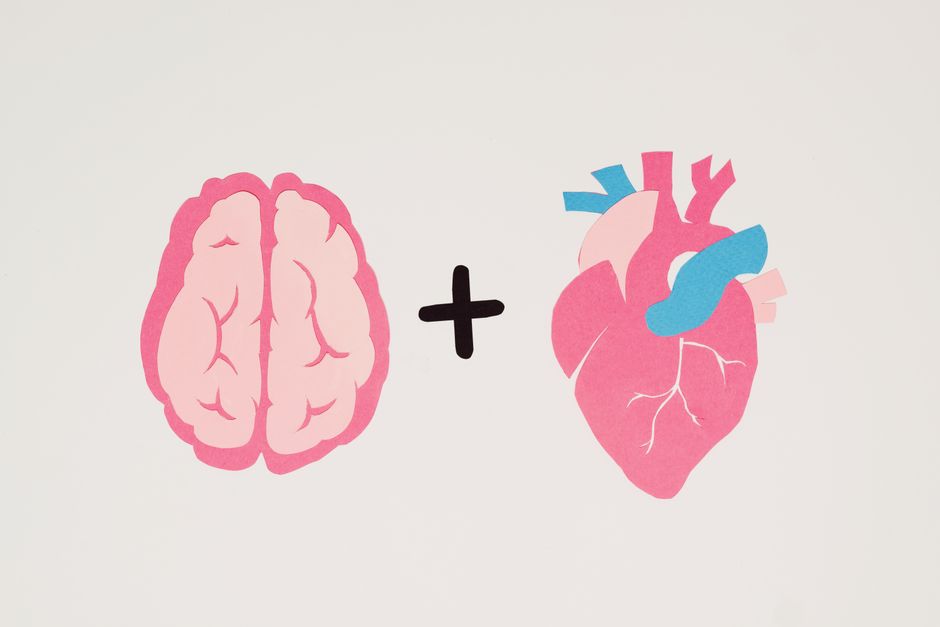
Does Bariatric Surgery Actually Resolve High Blood Pressure?
Bariatric surgery resolves or significantly improves high blood pressure in a large majority of patients, often within the first year, because excess weight is one of the strongest drivers of hypertension. Many patients are able to reduce or stop blood pressure medication entirely, though this must always be done under medical supervision rather than on…
-

How Bariatric Surgery Affects Type 2 Diabetes and Why It Sometimes Cures It
Bariatric surgery, particularly gastric bypass, can put type 2 diabetes into remission in a large proportion of patients, often within days of surgery and before significant weight loss has even occurred. This happens because the procedure changes gut hormones that regulate blood sugar directly, not simply because a patient weighs less afterward. You have been…
-

Pregnancy After Bariatric Surgery: How Long to Wait and What the Risks Are
Most surgeons recommend waiting 12 to 18 months after bariatric surgery before becoming pregnant, giving your body time to move past rapid weight loss and stabilise its nutrient levels. Pregnancy after this window is generally safe and often easier than before surgery for many patients, though it requires closer monitoring for nutritional deficiencies than a…
-

Loose Skin After Bariatric Surgery: What to Expect and When to Consider Removal
Loose skin after bariatric surgery is common, especially after losing a large amount of weight, because skin that stretched over years does not always fully retract once the fat underneath is gone. Age, genetics, how much weight was lost, and how quickly it came off all influence severity, and skin removal surgery becomes a reasonable…
-

Weight Regain After Bariatric Surgery: Why It Happens and What You Can Do
Weight regain after bariatric surgery happens to a meaningful percentage of patients, usually starting two to five years after the procedure, and is driven by a combination of gradual stomach stretching, hormonal adaptation, and old habits quietly returning. It is not a sign the surgery failed or that you did something wrong, and in most…
-

Which Vitamins Do You Need After Bariatric Surgery and Why Are They Non-Negotiable?
After bariatric surgery, you need a lifelong daily multivitamin plus targeted supplements including calcium, vitamin D, iron, and vitamin B12, because the surgery permanently reduces how much of these nutrients your body can absorb from food alone. Skipping supplements is not a minor shortcut, it is how patients end up with serious, sometimes irreversible deficiencies…
-

Hair Loss After Bariatric Surgery: Why It Happens and How Long Before It Stops
Hair loss after bariatric surgery is common, affects most patients to some degree, and is caused by the physical stress of rapid weight loss combined with reduced intake of protein, iron, and other nutrients during recovery. It typically starts around three to five months after surgery and resolves on its own within six to twelve…
-

Foods That Make GERD Worse and What to Eat Instead
Foods that commonly worsen GERD include fatty and fried foods, citrus fruits, tomatoes, chocolate, coffee, alcohol, and mint, because they either relax the valve that keeps acid down or increase how much acid your stomach produces. Swapping these for lean proteins, oatmeal, bananas, and non-citrus vegetables reduces symptoms for most people within a couple of…