
Foods that commonly worsen GERD include fatty and fried foods, citrus fruits, tomatoes, chocolate, coffee, alcohol, and mint, because they either relax the valve that keeps acid down or increase how much acid your stomach produces. Swapping these for lean proteins, oatmeal, bananas, and non-citrus vegetables reduces symptoms for most people within a couple of weeks.
You have probably already noticed that certain meals leave you regretting your choices by nine that evening, but figuring out exactly which foods are the real culprits, especially when it is not always the same one every time, is genuinely difficult on your own.
Dr Sami Salem Ahmad guides patients through exactly this kind of dietary detective work as part of managing GERD, because diet changes alone resolve or significantly reduce symptoms for many people before medication or surgery is ever needed. This article lays out the foods that most reliably trigger reflux and what to eat instead.
Fatty and Fried Foods Relax the Valve That Should Be Keeping Acid Down
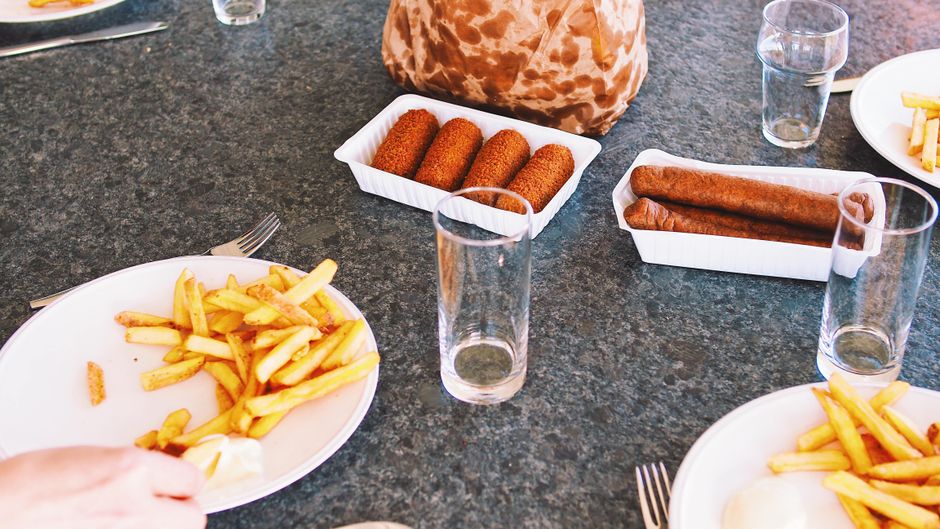
High-fat meals, fried food, full-fat dairy, and fatty cuts of meat slow down stomach emptying and relax the lower oesophageal sphincter, the valve that is supposed to keep acid where it belongs. Both effects together make reflux more likely and more severe after these meals.
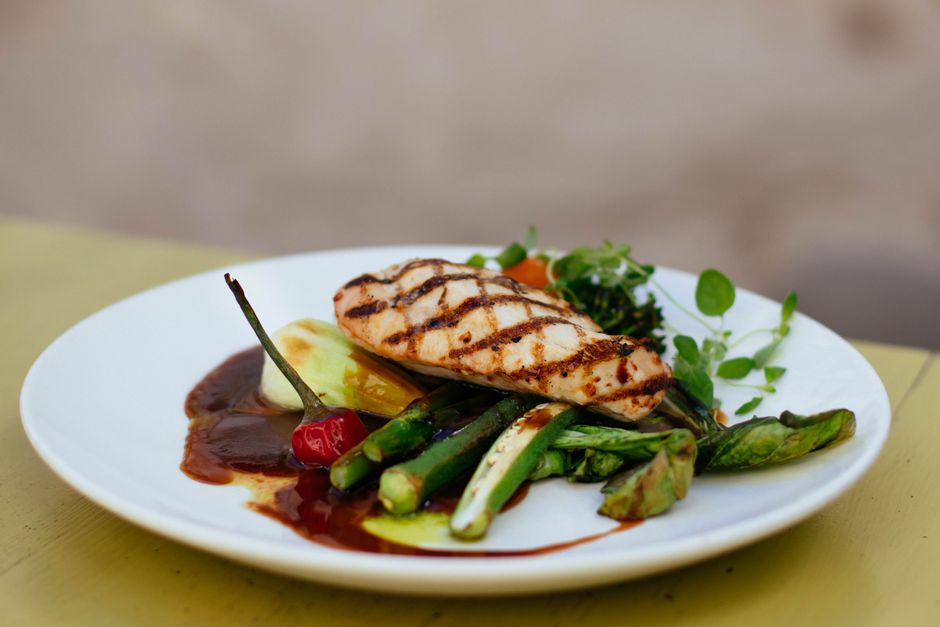
Swap fried chicken or fatty burgers for grilled or baked lean protein such as chicken breast, turkey, or white fish. Choose low-fat or plant-based dairy where possible, and use smaller amounts of healthy fats like olive oil rather than heavy cream sauces or deep frying.
Acidic Foods Add Directly to the Acid Already in Your Stomach
Citrus fruits, tomatoes and tomato-based sauces, and vinegar-based dressings are highly acidic and can irritate an already sensitive oesophagus, even in small amounts. Many patients are surprised that a simple side salad with tomatoes and vinaigrette can trigger the same burning as a heavy meal.
Replace citrus fruits with bananas, melon, or pears, which are gentler on the stomach. Swap tomato-based pasta sauces for cream-free, olive oil and herb-based alternatives, and choose oil and herb dressings instead of vinegar-heavy ones.
Caffeine, Alcohol, and Chocolate Loosen the Valve Directly
Coffee, tea, chocolate, alcohol, and carbonated drinks all relax the lower oesophageal sphincter, which is why a coffee on an empty stomach or a glass of wine with dinner so often leads to reflux later that evening. Mint and peppermint, despite their reputation for settling stomachs, have the same relaxing effect and frequently make GERD worse rather than better.
Try herbal, non-mint teas like chamomile or ginger tea, and reduce alcohol intake or avoid it near bedtime specifically. If coffee is non-negotiable, having it with food rather than on an empty stomach can reduce, though not eliminate, its effect.
Meal Timing and Portion Size Matter as Much as What You Eat
Large meals stretch the stomach and increase pressure against the valve, so smaller, more frequent meals often control symptoms better than three large ones. Eating within three hours of lying down is one of the most common triggers people overlook, since gravity is no longer helping keep acid down once you are horizontal.
Simple, practical changes like finishing dinner earlier, eating more slowly, and elevating the head of the bed slightly can meaningfully reduce nighttime symptoms alongside the food swaps above.
[TABLE]
| Trigger Food | Better Alternative |
|---|---|
| Fried or fatty meats | Grilled chicken, turkey, white fish |
| Citrus fruit | Banana, melon, pear |
| Tomato sauce | Olive oil and herb sauce |
| Coffee, chocolate, mint | Chamomile or ginger tea |
| Carbonated or alcoholic drinks | Still water, diluted juice |
If dietary changes have not been enough to control your reflux, Dr Sami Salem Ahmad can assess whether medication or surgery is the right next step for your specific pattern of symptoms. Visit drsami-clinic.com to arrange a consultation.
How long does it take for diet changes to actually improve GERD symptoms?
Many patients notice improvement within one to two weeks of consistently avoiding their main trigger foods, though full benefit can take up to a month. Keeping a simple food and symptom diary during this period helps identify which specific foods matter most for your body.
Do I have to give up coffee completely?
Not necessarily. Some patients tolerate coffee reasonably well if it is taken with food rather than on an empty stomach, or in smaller amounts earlier in the day. Others find they need to cut it out almost entirely to see real improvement, and this varies person to person.
Is it true that spicy food always causes reflux?
Spicy food is a trigger for some people but not everyone, and it works differently than acidic or fatty foods since it can directly irritate an already inflamed oesophagus rather than relaxing the valve. If spicy food does not personally trigger your symptoms, there is no need to avoid it purely on principle.
What if I make all these changes and my symptoms still do not improve?
If diet and lifestyle changes do not meaningfully help within several weeks, that is a sign the reflux may need medication or further testing rather than continued dietary adjustment alone. This is a normal and common next step, not a sign that you have failed to manage things correctly.
Can losing weight help my GERD symptoms even without surgery?
Yes, excess abdominal weight puts pressure on the stomach and valve, and even modest weight loss often reduces reflux frequency and severity noticeably. This is one of the reasons Dr Sami Clinic looks at weight as part of the overall picture, not just diet content.
What does the first appointment with Dr Sami involve for diet-related reflux questions?
The first visit at drsami-clinic.com includes a detailed review of your typical meals and symptom pattern, helping identify your specific triggers rather than applying a generic list. Dr Sami Salem Ahmad will also discuss whether further testing or treatment is warranted if diet changes have not been enough.
Dr. Sami Salem Ahmad
FRCS, Dr Sami Clinic
Dr. Sami Salem Ahmad is a consultant surgeon with over 31 years of experience in weight loss and metabolic surgery. He has practiced in Amman and Stuttgart and leads Dr Sami Clinic with a focus on safe, sustainable weight loss and long-term patient health. He holds the FRCS and has helped hundreds of patients reclaim their health through surgical and non-surgical treatment.
The information in this article is for educational purposes only and does not constitute medical advice. It should not be used to self-diagnose or replace a consultation with a qualified surgeon. If you have questions about your health or suitability for surgery, contact a licensed medical professional. For consultations with Dr Sami Salem Ahmad, visit drsami-clinic.com.