Roux-en-Y Gastric Bypass (RYGBP)
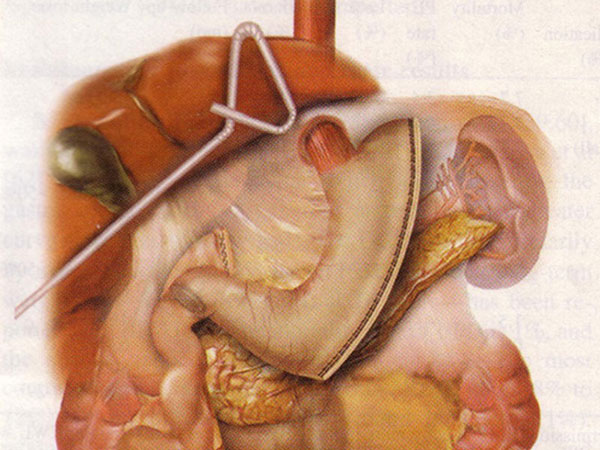
Gastric bypass surgery combines restriction and malabsorption principles. It makes the stomach smaller and allows food to bypass part of the small intestine. You feel full more quickly, which reduces the amount of food you eat and the calories consumed. Bypassing part of the intestine also results in fewer calories being absorbed, leading to weight loss. The most common gastric bypass surgery is the Roux-en-Y gastric bypass. Related procedures include biliopancreatic diversion (BPD), the duodenal switch (BPD-DS) variation, and distal gastric bypass (DGBP).
Life After Weight Loss Surgery
It is normal not to have an appetite for the first month or two after surgery. If you can consume liquids reasonably well, your appetite will increase with time. Immediately after surgery you will receive dietary guidelines: liquids only for the first two weeks, then semi-solid/pureed foods for another two weeks, before gradually returning to solid foods.
- Eat 3 meals per day, plus 2 healthy snacks, with protein such as eggs, low-fat cheese, tofu, fish, chicken and turkey (dark meat).
- Cook without fat. Avoid fatty sauces, gravies, butter, margarine, mayonnaise and junk food.
- Avoid flavored beverages (even diet soda) between meals. Choose fruit, vegetables, low-fat yogurt/milk and low-fat popcorn as snacks. Chew well.
- Drink at least 2-3 liters of sugar-free fluid daily, slowly, 1-2 mouthfuls at a time.
- Exercise aerobically at least 30 minutes daily; add resistance training 3-4 days a week.
Frequently Asked Questions
Is pregnancy possible after weight loss surgery? Consult your surgeon as you plan for pregnancy. It is strongly recommended that women wait at least one year after surgery, by which point weight and nutrition are fairly stable.
What happens to the bypassed part of the stomach? It is usually left in place with intact blood supply. It still produces intrinsic factor (needed to absorb vitamin B12) and contributes to hormone balance and intestinal motility.
How big is the stomach pouch in the long run? Initially 15-20cc (about one ounce). Over 6-12 months it can expand somewhat as post-surgical swelling subsides; many patients end up with a meal capacity of 3-7 ounces.
Will surgical staples affect MRI scans or airport metal detectors? No. Staples are stainless steel or titanium, non-magnetic, and will not set off metal detectors.
Can I take my normal medications? Most pills pass through the new pouch without issue; your doctor may suggest liquid or crushed forms initially. Diuretics and NSAIDs should only be used in consultation with your surgeon.
What about hair loss? Some hair thinning between months 4-8 after surgery is common. Consistent protein intake, a daily zinc supplement and good fluid intake help; hair typically regrows naturally afterward.
Can weight loss surgery improve other conditions? Clinical data shows many patients experience complete resolution or improvement of co-morbid conditions including diabetes, hyperlipidemia, hypertension and obstructive sleep apnea.
Have questions, or ready to take the next step?