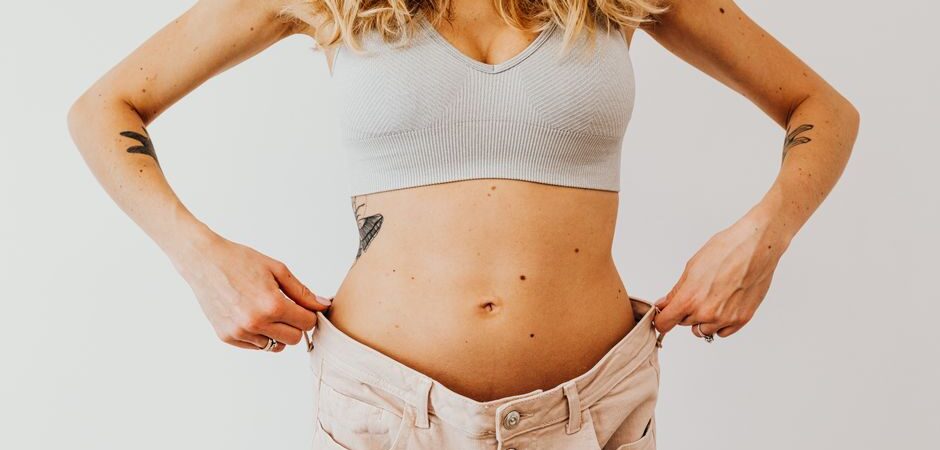
Loose skin after bariatric surgery is common, especially after losing a large amount of weight, because skin that stretched over years does not always fully retract once the fat underneath is gone. Age, genetics, how much weight was lost, and how quickly it came off all influence severity, and skin removal surgery becomes a reasonable option once your weight has stabilised and non-surgical measures have not resolved it.
You have lost the weight you set out to lose, people keep telling you how amazing you look, and yet you are standing in front of the mirror looking at folds of loose skin that nobody warned you would still be there. It can feel like an unfair asterisk on an achievement you worked so hard for.
Dr Sami Salem Ahmad talks patients through this reality honestly, both before surgery so expectations are set correctly, and afterward when it is time to discuss what can actually be done about it. This article explains why loose skin happens, what influences how much you get, and when removal surgery makes sense.
Why Skin Does Not Simply Shrink Back on Its Own
Skin has natural elasticity from collagen and elastin fibres, but after being stretched for years by excess weight, especially if that weight was carried for a long time or gained young, those fibres lose much of their ability to snap back. Once the fat volume underneath disappears through weight loss, the stretched skin often remains as loose, hanging tissue rather than tightening to match the smaller body underneath.
This is a mechanical, structural reality of skin, not a sign of insufficient effort in your weight loss or recovery. Even patients who lose weight through diet and exercise alone experience the same pattern after significant weight loss.
Several Factors Determine How Much Loose Skin You Will Have
The total amount of weight lost is the biggest factor, patients losing more than 100 pounds almost always have more noticeable loose skin than those losing 40 or 50. Age matters significantly too, since skin elasticity naturally declines over the years, meaning patients over 40 typically retain more loose skin than younger patients losing a comparable amount.
Genetics play a real role in baseline skin elasticity that is largely outside your control, and sun exposure history and smoking, both of which damage collagen over time, also influence how well your skin was able to retract before you ever started your weight loss journey.

Non-Surgical Measures Help at the Margins, Not as a Full Solution
Strength training that builds muscle underneath loose skin can improve how the area looks and feels, since more muscle fills out the space skin is draping over. Staying well hydrated and maintaining good nutrition, particularly adequate protein, supports whatever skin elasticity you do have, though it will not reverse significant looseness on its own.
Radiofrequency and other non-surgical skin-tightening treatments offer modest, subtle improvement for mild cases but do not meaningfully change moderate to severe loose skin. Setting realistic expectations about what these treatments can and cannot do prevents disappointment and wasted money.
When Skin Removal Surgery Becomes the Right Conversation
Skin removal surgery is generally considered once your weight has been stable for at least six months to a year, since operating during ongoing weight loss risks needing a repeat procedure later. Common areas addressed include the abdomen, arms, thighs, and chest, and procedures can often be combined depending on the areas involved and your overall health.
Beyond appearance, many patients pursue this surgery to resolve practical problems, chronic skin irritation and rashes in overlapping skin folds, difficulty with hygiene, and interference with physical activity, all of which are legitimate medical reasons, not purely cosmetic ones.

[TABLE]
| Factor | Effect on Loose Skin |
|---|---|
| Amount of weight lost | More weight lost, more looseness |
| Age | Older skin retracts less |
| Genetics | Varies, largely fixed |
| Sun exposure/smoking history | Reduces elasticity further |
If loose skin is affecting your comfort, hygiene, or confidence after weight loss, Dr Sami Salem Ahmad can assess your specific case and discuss whether skin removal surgery is appropriate now or in the future. Visit drsami-clinic.com to arrange a consultation.
How long should I wait after my bariatric surgery before considering skin removal?
Most surgeons recommend waiting until your weight has been stable for six months to a year, since ongoing weight loss can require a repeat skin removal procedure later. This waiting period also gives your body more time to naturally retract as much as it is going to.
Will insurance ever cover skin removal surgery?
Coverage is possible in some cases, particularly for abdominal panniculectomy when documented skin irritation, rashes, or infections in the skin folds are present, since this is considered a functional rather than purely cosmetic issue. Documentation from your doctor about these symptoms is usually required to support a claim.
Is skin removal surgery more dangerous than my original bariatric surgery?
Skin removal surgery carries its own risks and recovery considerations and should not be assumed to be simpler than your original procedure. Dr Sami Salem Ahmad will assess your overall health and any remaining nutritional deficiencies before recommending it, since healing quality depends heavily on this.
Am I too old to have skin removal surgery?
Age alone rarely rules a patient out, though overall health and healing capacity matter more as we get older. Many patients in their fifties and sixties have this surgery successfully once cleared for general anaesthesia and confirmed to be in good nutritional health.
Can exercise alone eventually get rid of loose skin if I just keep at it?
Exercise, particularly strength training, can improve the appearance of loose skin by building muscle underneath it, but it cannot fully resolve significant looseness caused by stretched, low-elasticity skin. For moderate to severe cases, surgery remains the only reliable way to remove excess skin entirely.
What does a skin removal consultation with Dr Sami involve?
The consultation includes an assessment of the specific areas affecting you, a review of your weight stability and nutritional status, and an honest discussion of which procedures are realistic and in what order. Dr Sami Salem Ahmad prioritises safety and healing over rushing into multiple procedures at once.
Dr. Sami Salem Ahmad
FRCS, Dr Sami Clinic
Dr. Sami Salem Ahmad is a consultant surgeon with over 31 years of experience in weight loss and metabolic surgery. He has practiced in Amman and Stuttgart and leads Dr Sami Clinic with a focus on safe, sustainable weight loss and long-term patient health. He holds the FRCS and has helped hundreds of patients reclaim their health through surgical and non-surgical treatment.
The information in this article is for educational purposes only and does not constitute medical advice. It should not be used to self-diagnose or replace a consultation with a qualified surgeon. If you have questions about your health or suitability for surgery, contact a licensed medical professional. For consultations with Dr Sami Salem Ahmad, visit drsami-clinic.com.