
Daily life after gastric sleeve settles into a new, manageable routine within a few months. Meals become smaller and more protein-focused, exercise builds up gradually from short walks to regular activity by month three, and most social situations, restaurants, family meals, travel, become comfortable again with a bit of planning. It’s a genuine lifestyle change, not a temporary diet, but it becomes second nature faster than most patients expect.
Somewhere between deciding to have surgery and actually recovering from it, a quieter question tends to surface: what does normal life actually look like afterward? Not the medical timeline, but the real, everyday version. Can you still go out to dinner? Will exercise feel like punishment? Will food ever feel simple again?
This article walks through what eating, exercise, and daily life genuinely look like after gastric sleeve surgery, based on what patients at Dr Sami Clinic actually experience. Dr. Sami Salem Ahmad has walked patients in Amman and Stuttgart through this exact adjustment for over 31 years, and the honest picture is far more livable than most people expect going in.
What a Typical Day of Eating Looks Like After Gastric Sleeve
A typical day involves three small meals and sometimes one or two small snacks, each built around protein first. A meal might be a few tablespoons of scrambled egg, or a small portion of grilled chicken with vegetables, eaten slowly over 20 to 30 minutes.
This isn’t a restrictive diet in the way most people picture one. It’s a smaller, more deliberate way of eating that becomes automatic within a few months, not something you have to consciously manage forever.
How Portion Sizes and Meal Timing Change for Good
Portion sizes stay permanently smaller after gastric sleeve, typically half a cup to one cup per meal once you’re fully healed, because the stomach itself is smaller. Meal timing also shifts, with most patients eating more frequently throughout the day rather than three large meals.
Drinking liquids at the same time as eating is generally discouraged, since it can fill the smaller stomach too quickly. Most patients adjust to sipping water between meals rather than during them within the first couple of months.
Foods That Are Easy vs Difficult After Surgery
Lean protein, soft vegetables, and well-cooked grains tend to be the easiest foods to manage long-term. Bread, rice, tough meat, and very fibrous vegetables can be more difficult to tolerate in the first several months, though most patients can reintroduce them carefully over time.
Carbonated drinks and very sugary foods are usually avoided altogether, not just early on. Sugar can cause uncomfortable symptoms in a smaller stomach, and carbonation can cause bloating and discomfort.
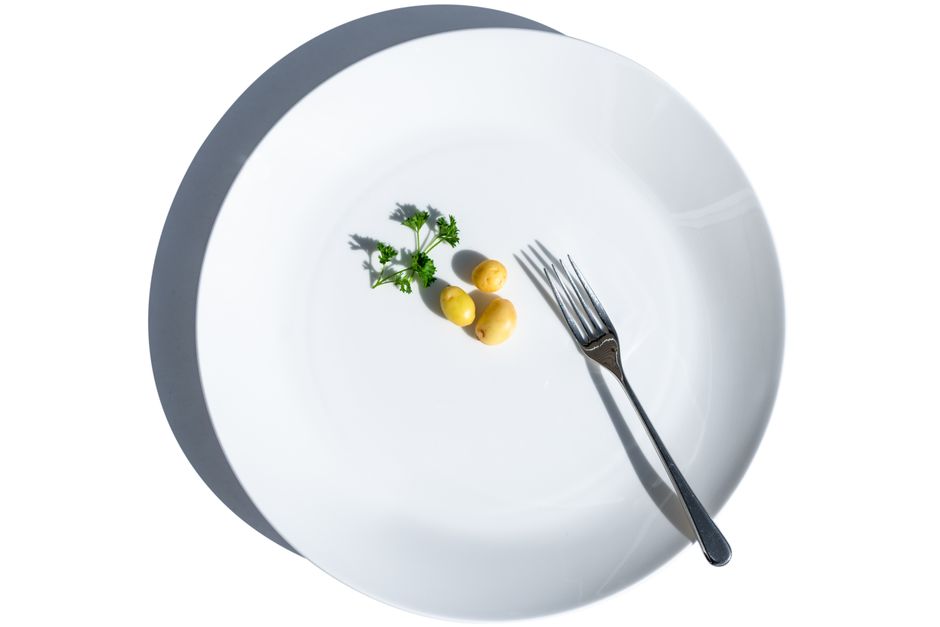
The Social Side of Eating Differently — Restaurants, Family Meals, Travel
Restaurants, family dinners, and travel all remain very much part of life after gastric sleeve, usually within a few months of surgery. Most patients find that ordering a smaller portion, sharing a dish, or simply eating slower than the table draws far less attention than they initially worried it would.
The hardest part is often social pressure, well-meaning family members pushing second helpings, rather than the food itself. Having a simple, honest explanation ready tends to make these moments much easier.
How Your Relationship With Food Changes Over Time
Food often stops being the main source of comfort or stress it may have been before surgery, though this shift takes conscious effort alongside the physical changes. Many patients describe eating becoming more intentional, something they do for nourishment and enjoyment rather than something that controls their day.
This emotional adjustment is real and it’s worth taking seriously. Support, whether from Dr Sami Clinic’s follow-up care or wider counselling, helps this part of the transition land as well as the physical recovery does.
Exercise After Gastric Sleeve: What You Can Do and When
Walking starts within days of surgery, and most patients build up to regular structured exercise by around month three. Strength training is usually introduced once healing is well established, because it protects muscle mass and supports long-term metabolism.
Exercise after gastric sleeve isn’t about punishing the body for past weight. It’s about rebuilding strength and stamina gradually, at a pace your surgical team can help you calibrate safely.

| Timeframe | Activity | Notes |
|---|---|---|
| Weeks 1–2 | Short walks | Light movement only |
| Weeks 3–4 | Longer walks, stretching | Build stamina gradually |
| Weeks 5–8 | Low-impact cardio | Swimming, cycling, elliptical |
| Month 3+ | Strength training | Protects muscle and metabolism |
| Month 6+ | Full activity | Most patients fully cleared |
If you’re picturing life after gastric sleeve and wondering how it would actually fit your routine, your family, your work travel, that’s exactly the kind of conversation Dr. Sami Salem Ahmad has with every patient before surgery. Reach out through drsami-clinic.com to talk through what daily life would realistically look like for you.
Frequently Asked Questions
Will I ever be able to eat normally again?
You will eat again, but “normal” shifts to mean smaller portions eaten more slowly and deliberately, not the volume or speed of eating you may be used to now. Most patients describe this new normal as comfortable and unremarkable within a few months, not a constant struggle. Dr. Sami Salem Ahmad talks patients through exactly what to expect at each stage so there are no surprises.
Can I still go out to restaurants and family dinners?
Yes, and most patients are back to restaurants and family meals within a couple of months of surgery. Ordering a smaller dish, sharing a portion, or simply eating at your own pace tends to draw far less attention than people worry it will beforehand. The social side of eating differently gets easier with practice and a bit of preparation.
How much exercise will I actually be able to do?
Most patients build up from short walks to regular structured exercise, including strength training, by around three to six months after surgery. The pace depends on your individual healing and starting fitness level, which is why your surgical team helps calibrate it rather than following a generic plan. Many patients end up more active after surgery than they were before it.
What if I struggle emotionally with eating less?
This is common, and it’s taken seriously rather than dismissed as something you should just push through. Food often plays an emotional role before surgery, and adjusting that relationship takes real, ongoing support alongside the physical recovery. Dr Sami Clinic’s follow-up care is built around this, not just the surgical outcome.
Will I be able to drink alcohol again?
Alcohol is generally avoided in the first several months after surgery and, when reintroduced, tends to affect patients more strongly than it did before, since the smaller stomach absorbs it differently. Most patients can eventually have alcohol occasionally, but it’s worth discussing directly with your surgical team rather than assuming your old tolerance still applies.
How long until life actually feels normal again?
Most patients describe life feeling settled and manageable again by around three to four months after surgery, once eating patterns, exercise, and energy levels have stabilised. The adjustment period is real, but it is temporary, and it gets noticeably easier every few weeks rather than staying difficult indefinitely.
What if I travel a lot for work, is that still possible?
Yes, travel remains very possible after recovery, and many patients find it easier once they’ve lost weight and gained energy. Planning ahead, protein snacks for flights, knowing menu options in advance, makes travel considerably smoother in the first year. This is a common topic patients raise directly with Dr. Sami Salem Ahmad during follow-up visits.
Dr. Sami Salem Ahmad
FRCS, Dr Sami Clinic
Dr. Sami Salem Ahmad is a consultant surgeon with over 31 years of experience in weight loss and metabolic surgery. He has practiced in Amman and Stuttgart and leads Dr Sami Clinic with a focus on safe, sustainable weight loss and long-term patient health. He holds the FRCS and has helped hundreds of patients reclaim their health through surgical and non-surgical treatment.
The information in this article is for educational purposes only and does not constitute medical advice. It should not be used to self-diagnose or replace a consultation with a qualified surgeon. If you have questions about your health or suitability for surgery, contact a licensed medical professional. For consultations with Dr Sami Salem Ahmad, visit drsami-clinic.com.