
Laparoscopic fundoplication is keyhole surgery that wraps the upper part of the stomach around the lower oesophagus to rebuild the valve that stops acid from rising. It is recommended for patients with confirmed GERD who have not been helped enough by medication, or who have a hiatal hernia weakening their natural reflux barrier.
Your doctor has mentioned fundoplication, or you have come across the term while searching for a way out of daily acid reflux, and now you are trying to picture what it actually involves. The name alone sounds intimidating, and it is normal to want to understand exactly what happens to your body before agreeing to anything.
Dr Sami Salem Ahmad explains this procedure to patients every week, and once it is broken down step by step, most people feel considerably more at ease. This article covers what the surgery actually does, who is a good candidate, and what the weeks after look like.
Fundoplication Rebuilds the Valve Your Body Has Lost
The surgeon wraps the top of the stomach (the fundus) around the lowest part of the oesophagus, then stitches it in place. This creates a one-way valve effect: food and liquid can still pass down into the stomach, but stomach acid is much less able to travel back up. It is essentially rebuilding, mechanically, the barrier that a healthy body maintains on its own.
There are two main versions. A full (360-degree) wrap, called Nissen fundoplication, gives the strongest barrier against reflux. A partial wrap, such as a Toupet (270-degree) or Dor (anterior) fundoplication, gives a slightly less complete seal but a lower risk of swallowing difficulty afterward. Dr Sami Salem Ahmad selects between these based on how well the oesophagus muscle contracts on your pre-surgery testing.
You Are Likely a Candidate If Testing Confirms True Reflux Disease
Good candidates are patients whose GERD has been confirmed with objective testing, not just symptoms alone. This usually means a pH study showing abnormal acid exposure, an endoscopy showing irritation or a hiatal hernia, and manometry confirming the oesophagus muscle still contracts normally.
Patients who respond at least partially to acid-suppressing medication tend to do best with fundoplication, because it confirms the symptoms are genuinely acid-related. If medication makes no difference at all, your surgeon will usually investigate other causes before considering surgery.
What Happens on the Day of Surgery
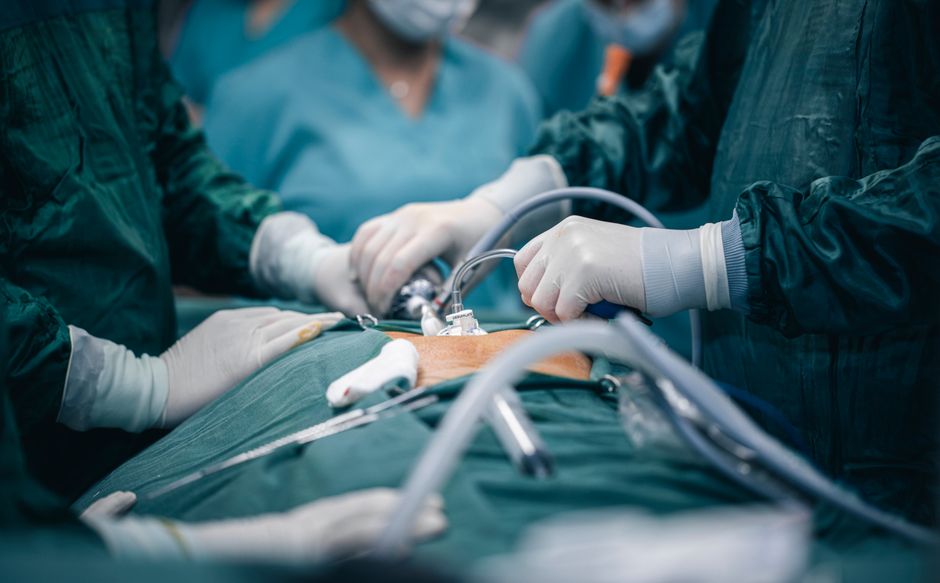
The procedure is done under general anaesthesia through four or five small incisions in the abdomen, each under a centimetre. A camera and slim instruments are used to perform the wrap internally, which is why recovery is so much easier than the older open version of this surgery. Most operations take between 60 and 120 minutes.
Patients typically stay in hospital for one to two nights for monitoring, then go home once they are managing fluids and pain comfortably. Dr Sami Clinic reviews swallowing and pain control closely during this window before discharge.
Recovery Runs in Predictable Stages
The first week is mostly liquids and soft, mashed foods while the wrap is swollen from surgery. Weeks two to four introduce soft solids gradually, and most patients are back to a completely normal diet by around six weeks. A feeling of tightness when swallowing certain foods, especially bread and meat, is common early on and almost always eases as the swelling resolves.
Most patients return to desk work within one to two weeks and to more physical jobs or exercise within four to six weeks. Lifting restrictions typically apply for the first few weeks to protect the wrap while it heals into position.

[TABLE]
| Wrap Type | Coverage | Reflux Control | Swallowing Risk |
|---|---|---|---|
| Nissen (360°) | Full wrap | Strongest | Slightly higher |
| Toupet (270°) | Partial, posterior | Very good | Lower |
| Dor (anterior) | Partial, front | Good | Lowest |
If you have been living with reflux that pills cannot fully control, Dr Sami Salem Ahmad can review your test results and explain exactly which type of fundoplication, if any, is right for your anatomy. Visit drsami-clinic.com to arrange a consultation and testing plan.
Will fundoplication stop me from ever burping or vomiting again?
Many patients notice a reduced ability to burp in the first weeks while swelling is present, and a smaller number describe a lasting change afterward. Choosing a partial wrap when appropriate, based on your manometry results, lowers the chance of this becoming a permanent issue.
How painful is the recovery, honestly?
Most patients describe the pain as manageable soreness around the small incisions rather than severe pain, usually controlled with standard oral pain medication after the first day or two. Shoulder tip pain from the gas used during laparoscopic surgery is common for a few days and settles on its own.
What if my reflux comes back years later?
The wrap can loosen slightly over many years in a small percentage of patients, particularly if significant weight gain occurs afterward. If symptoms return, Dr Sami Salem Ahmad can reassess with repeat testing to determine whether a revision procedure is needed.
Am I too old for this type of surgery?
Age itself is rarely the deciding factor. What matters more is your overall fitness for general anaesthesia, which Dr Sami Clinic assesses individually, and many patients in their sixties and seventies tolerate this procedure very well.
Do I need to stay on medication after the surgery?
Most patients are able to stop their acid-suppressing medication completely once the wrap has healed and testing confirms good reflux control. Some patients with more complex reflux patterns may need low-dose medication occasionally, which your surgeon will discuss based on your specific case.
What does the first appointment with Dr Sami involve?
The first visit focuses on reviewing your reflux history, current medications, and any prior testing, followed by arranging any additional endoscopy, pH study, or manometry needed to confirm you are a good candidate. Dr Sami Salem Ahmad then walks you through the specific wrap type recommended for your anatomy before any decision is made.
Dr. Sami Salem Ahmad
FRCS, Dr Sami Clinic
Dr. Sami Salem Ahmad is a consultant surgeon with over 31 years of experience in weight loss and metabolic surgery. He has practiced in Amman and Stuttgart and leads Dr Sami Clinic with a focus on safe, sustainable weight loss and long-term patient health. He holds the FRCS and has helped hundreds of patients reclaim their health through surgical and non-surgical treatment.
The information in this article is for educational purposes only and does not constitute medical advice. It should not be used to self-diagnose or replace a consultation with a qualified surgeon. If you have questions about your health or suitability for surgery, contact a licensed medical professional. For consultations with Dr Sami Salem Ahmad, visit drsami-clinic.com.