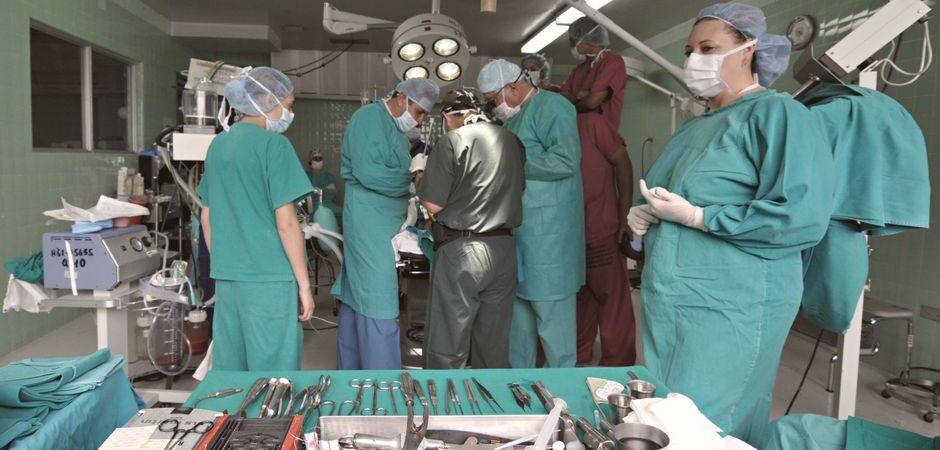
Gastric sleeve surgery has a serious complication rate of around 1 to 3 percent, making it one of the safer major surgical procedures performed today. The most common issues, nausea, temporary reflux, and minor wound problems, are manageable and not life-threatening. Serious complications like leaks or bleeding are rare and are actively screened for at every stage of care. Dr. Sami Salem Ahmad discusses your individual risk profile honestly before surgery, rather than minimising or exaggerating it.
Somewhere between deciding surgery might be right for you and actually scheduling it, the fear tends to sharpen. Not the general fear of surgery, but specific questions: what if something goes wrong? What if I’m the rare case? These questions deserve honest answers, not reassurance that skips past them.
This article covers exactly what can go wrong with gastric sleeve surgery, how common each risk actually is, and what’s done to prevent it. Dr. Sami Salem Ahmad has performed this procedure for over 31 years across Amman and Stuttgart, and straightforward honesty about risk is part of how he prepares every patient.
How Safe Is Gastric Sleeve Surgery, Really?
Gastric sleeve surgery has a serious complication rate of roughly 1 to 3 percent, which is comparable to or lower than many common surgical procedures, including gallbladder removal. It is considered one of the safer bariatric procedures overall, partly because it doesn’t involve rerouting the intestines.
Risk isn’t zero, and no honest surgeon will tell you it is. But the statistical reality is far less frightening than the worst-case stories that tend to circulate.
The Most Common Complications and How Often They Happen
The most common issues after gastric sleeve are nausea, temporary acid reflux, and minor wound-related problems, affecting a meaningful minority of patients but rarely requiring further intervention. These are uncomfortable, not dangerous, and usually resolve within weeks.
Acid reflux is worth specific mention, since it can occasionally persist longer term in a smaller group of patients. This is one of the factors Dr. Sami Salem Ahmad weighs when discussing whether gastric sleeve or an alternative procedure suits you best.
| Complication | Estimated Frequency | Severity |
|---|---|---|
| Nausea / temporary reflux | Common | Mild, manageable |
| Wound-related issues | Uncommon | Mild to moderate |
| Persistent long-term reflux | Less common | Moderate, manageable |
| Staple line leak | Rare (<1%) | Serious, treatable |
| Blood clots | Rare | Serious, preventable |
Serious but Rare Risks You Should Know About
Staple line leaks and blood clots are the most serious risks associated with gastric sleeve surgery, and both occur in well under 1 percent of cases at experienced surgical centres. Both are actively screened for during recovery and are treatable when caught early.
These risks are real, which is exactly why they’re named specifically rather than glossed over. Naming them clearly is part of informed consent, not a reason to assume they’re likely to happen to you.
Warning Signs That Need Immediate Medical Attention
Severe abdominal pain, a fever above 38.5°C, rapid heart rate, or difficulty breathing after surgery need immediate medical attention, not a wait-and-see approach. These can signal a leak, infection, or blood clot, and early treatment makes a significant difference to outcomes.
Patients at Dr Sami Clinic are given clear, direct contact information for exactly this reason, so there’s never a question of who to call if something feels wrong.
How Dr Sami Clinic Reduces Risk Before, During, and After Surgery
Risk is reduced through careful pre-surgical screening, standardised surgical technique, and close post-operative monitoring, not left to chance. Dr. Sami Salem Ahmad’s 31 years of surgical experience directly shapes how thoroughly each of these stages is handled.
Follow-up appointments in the days and weeks after surgery exist specifically to catch early warning signs before they become serious. This is one of the most effective tools for reducing risk, and it depends on patients staying engaged with their care team.
Long-Term Risks: Nutrient Deficiencies and Other Ongoing Considerations
Nutrient deficiencies, particularly vitamin B12, iron, and calcium, are the main long-term consideration after gastric sleeve, since the smaller stomach affects absorption. Regular blood work and lifelong supplementation manage this risk effectively for the vast majority of patients.
This is a manageable, ongoing part of life after surgery rather than a dangerous complication, provided follow-up care continues rather than stopping once the weight loss goal is reached.

If you want a completely honest conversation about your own individual risk, not a generic statistic, Dr. Sami Salem Ahmad reviews your full health history before recommending surgery at all. Book a consultation through drsami-clinic.com and ask every question you’ve been holding back.
Frequently Asked Questions
What if I’m scared something will go wrong during surgery?
That fear is completely understandable, and it doesn’t mean you shouldn’t proceed, it means you deserve a clear, honest breakdown of your own risk before deciding. Serious complications during gastric sleeve surgery are uncommon, and modern surgical monitoring is designed specifically to catch problems early. Dr. Sami Salem Ahmad talks through this directly with every patient rather than rushing past the fear.
How common are complications really, compared to other surgeries?
Gastric sleeve’s serious complication rate of roughly 1 to 3 percent is comparable to, and in some studies lower than, common procedures like gallbladder removal. It’s considered one of the safer bariatric options, partly because it doesn’t involve rerouting the intestines the way gastric bypass does.
What are the warning signs I should never ignore after surgery?
Severe abdominal pain, a fever above 38.5°C, a rapid or irregular heartbeat, or difficulty breathing all warrant immediate medical attention rather than waiting to see if they pass. These can indicate a leak, infection, or blood clot, and early treatment significantly improves outcomes. Dr Sami Clinic provides direct contact information for exactly this situation.
Can complications happen years after surgery, not just right after?
Yes, though the nature of the risk shifts over time. Immediate surgical risks like leaks or clots are concentrated in the first weeks, while longer-term considerations like nutrient deficiencies or persistent reflux can develop gradually over years without regular follow-up and blood work.
Is gastric sleeve riskier than gastric bypass, or safer?
Gastric sleeve generally carries a somewhat lower complication profile than gastric bypass, largely because it’s a simpler procedure that doesn’t reroute the intestines. That said, the right choice depends on your individual health picture, not a blanket ranking, which is exactly the kind of comparison worth discussing directly with Dr. Sami Salem Ahmad.
What happens if I develop a leak, is it always an emergency?
A staple line leak is a serious complication and does require prompt medical treatment, but it is also rare and highly treatable when caught early, which is why warning signs are taken seriously and follow-up monitoring exists. Most patients who experience a leak recover fully with timely intervention.
Does having other health conditions increase my surgical risk significantly?
Certain conditions, particularly uncontrolled heart or lung disease, can increase surgical risk, which is exactly why a thorough pre-surgical evaluation happens before any procedure is scheduled. In many cases, existing conditions can be stabilised first to bring risk down to an acceptable level. This is assessed individually at drsami-clinic.com, not assumed from a checklist.
Dr. Sami Salem Ahmad
FRCS, Dr Sami Clinic
Dr. Sami Salem Ahmad is a consultant surgeon with over 31 years of experience in weight loss and metabolic surgery. He has practiced in Amman and Stuttgart and leads Dr Sami Clinic with a focus on safe, sustainable weight loss and long-term patient health. He holds the FRCS and has helped hundreds of patients reclaim their health through surgical and non-surgical treatment.
The information in this article is for educational purposes only and does not constitute medical advice. It should not be used to self-diagnose or replace a consultation with a qualified surgeon. If you have questions about your health or suitability for surgery, contact a licensed medical professional. For consultations with Dr Sami Salem Ahmad, visit drsami-clinic.com.