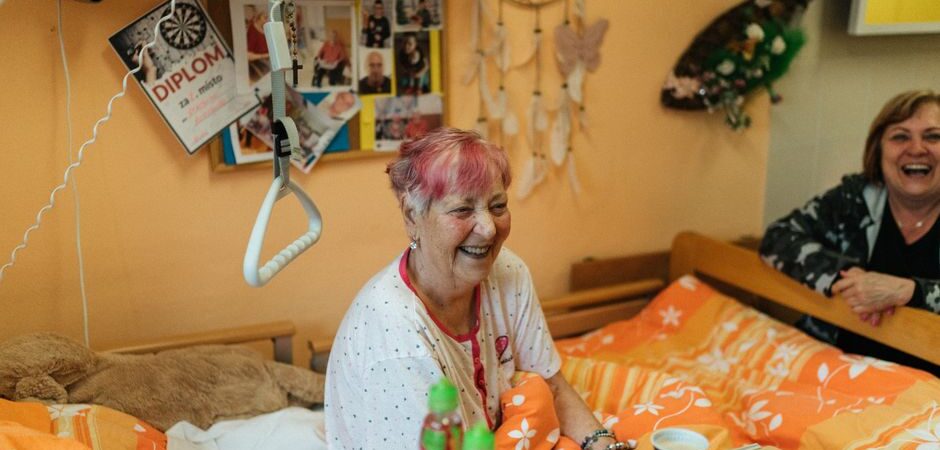
The first six weeks after gastric bypass move through a fairly predictable pattern: two days in hospital, a first week at home managing fatigue and liquids, gradually returning energy through weeks two to four, and a return to work and regular routines by weeks four to six. Most patients feel a genuine, noticeable shift toward normal by the end of week six. Dr. Sami Salem Ahmad tracks your individual pace at each follow-up rather than applying a fixed calendar.
Somewhere between agreeing to gastric bypass and actually going through with it, the practical question tends to surface: what do the next six weeks actually look like, day to day? Not the medical outline, but the real version, energy levels, what you can and can’t do, when work becomes possible again.
This article walks through what gastric bypass recovery genuinely feels like, week by week. Dr. Sami Salem Ahmad has guided patients in Amman and Stuttgart through this exact recovery for over 31 years, and knowing what’s ahead makes the process considerably less unsettling.
What Recovery Actually Involves After Gastric Bypass
Recovery from gastric bypass is generally a bit longer than gastric sleeve, since the procedure reroutes part of the digestive system, with most patients reaching a comfortable, settled state by around six weeks. The first two weeks involve the most noticeable restriction; the following four are a gradual return to normal.
Recovery isn’t one long difficult stretch. It’s a steady curve, with most of the hardest part concentrated in the first ten days.
The First 48 Hours in Hospital
The first two days involve rest, short supervised walks around the ward, and pain management, with most patients staying in hospital for two to three nights. Fatigue tends to dominate over pain for most patients during this window.
Walking, even just short distances around the room, is encouraged from day one. It genuinely speeds healing and reduces the risk of complications like blood clots.
Week 1 at Home: Rest, Liquids, and Managing Fatigue
The first week at home is mostly rest, sipping liquids as directed, and short walks several times a day. Most patients describe days three to five as the hardest stretch, once hospital adrenaline fades but energy hasn’t fully returned yet.
This passes for the large majority of patients within the week. Staying ahead of pain medication and protein intake, even in liquid form, makes a real difference to how this week feels.

| Timeframe | Physical State | Work / Driving |
|---|---|---|
| Days 1–2 | Hospital stay, rest | Not applicable |
| Week 1 | Fatigue, mild pain | No driving, no work |
| Weeks 2–4 | Energy returning | Light desk work possible |
| Weeks 4–6 | Comfortable, active | Driving, most work resumes |
| Week 6+ | Feels settled | Full activity for most patients |
Weeks 2–4: Energy Returning, Diet Progressing
Energy improves steadily during this stretch, and diet progresses from liquids toward pureed and then soft foods, which itself tends to lift mood noticeably. Most patients can manage light desk work and errands by the end of week four.
This is also when it’s worth watching for dumping syndrome symptoms as new foods are introduced, since sugary or fatty foods can trigger discomfort at this stage more than others.
Weeks 4–6: Back to Work, Driving, and Regular Routines
Most patients return to work, driving, and regular household routines between weeks four and six, depending on how physically demanding their job is. Desk-based roles typically resume earlier than physically active ones.
This is a good point to check in specifically about your own return-to-work timeline with your surgical team, since individual healing varies more than a general guideline can capture.
By Week Six: What “Recovered” Actually Feels Like
By six weeks, most patients report feeling genuinely settled, comfortable eating soft or regular foods, steady energy, and back to most normal activities. This is also usually when a consistent exercise routine becomes realistic again.
Reaching six weeks doesn’t mean every adjustment is finished, some fine-tuning around diet and habits continues for months, but the disruptive phase of recovery is clearly behind you by this point.
If you want to know what your first six weeks will realistically look like around your job and family, Dr. Sami Salem Ahmad walks through that timeline personally before you ever schedule surgery. Get in touch through drsami-clinic.com to plan your recovery around your actual life.
Frequently Asked Questions
How long will I actually need off work?
Most patients with desk-based jobs return within two to four weeks, while physically demanding roles often need four to six weeks or slightly longer. Dr. Sami Salem Ahmad confirms the right timeline for your specific job and recovery progress rather than applying a blanket rule.
When can I drive again after gastric bypass?
Most patients are cleared to drive around two to three weeks after surgery, once pain medication is no longer needed and reaction time feels normal. This is confirmed individually at a follow-up appointment rather than assumed from a fixed date.
Is gastric bypass recovery harder than gastric sleeve recovery?
Gastric bypass recovery is generally a bit longer and can feel slightly more demanding in the first two weeks, since the procedure reroutes part of the digestive system. By weeks four to six, most patients from either procedure report feeling similarly settled and comfortable.
What if I’m still very tired after two or three weeks?
Some lingering fatigue in the first three to four weeks is common as your body adjusts to eating significantly less while healing from a more involved procedure. If fatigue feels severe or isn’t gradually improving, it’s worth a follow-up check, since it can occasionally point to something easily addressed, like dehydration or low iron.
When can I start exercising again?
Walking starts within days of surgery, and most patients build toward structured exercise, including light strength training, by around weeks four to six. Your surgical team helps calibrate the exact pace based on your individual healing rather than a generic plan.
What symptoms during recovery should worry me?
Severe abdominal pain, a fever above 38.5°C, rapid heart rate, or difficulty breathing need prompt medical attention rather than a wait-and-see approach. Dr Sami Clinic gives every patient clear contact information for exactly this reason, so there’s never ambiguity about who to call.
Will I feel like myself again by week six, or does it take longer?
Most patients describe feeling genuinely like themselves again by around six weeks, with comfortable eating, steady energy, and most normal activities back in place. Some fine-tuning of diet and habits continues for months afterward, but the disruptive early recovery period is behind you by this point for the vast majority of patients.
Dr. Sami Salem Ahmad
FRCS, Dr Sami Clinic
Dr. Sami Salem Ahmad is a consultant surgeon with over 31 years of experience in weight loss and metabolic surgery. He has practiced in Amman and Stuttgart and leads Dr Sami Clinic with a focus on safe, sustainable weight loss and long-term patient health. He holds the FRCS and has helped hundreds of patients reclaim their health through surgical and non-surgical treatment.
The information in this article is for educational purposes only and does not constitute medical advice. It should not be used to self-diagnose or replace a consultation with a qualified surgeon. If you have questions about your health or suitability for surgery, contact a licensed medical professional. For consultations with Dr Sami Salem Ahmad, visit drsami-clinic.com.