
Laparoscopic gallbladder removal, called a cholecystectomy, is keyhole surgery to remove a gallbladder affected by painful gallstones or inflammation, done through four small incisions rather than one large one. Most patients go home the same day or after one night, return to light activity within a few days, and are back to normal life within one to two weeks.
That sharp pain under your right ribs after eating something fatty has finally been explained: gallstones. Now your doctor is talking about removing the gallbladder entirely, and you are wondering both how serious that sounds and how much of your life it is going to disrupt.
Dr Sami Salem Ahmad performs this procedure regularly, and while the word “surgery” understandably raises concern, laparoscopic gallbladder removal is one of the most common and well-established procedures in general surgery. This article explains what actually happens, why the gallbladder can simply be removed, and what recovery looks like.
Why the Gallbladder Can Be Removed Without a Major Downside
The gallbladder stores bile produced by the liver and releases it to help digest fatty food, but the liver continues producing bile just fine without it, simply releasing it directly into the intestine instead. This is why removing a diseased gallbladder does not create a major digestive gap, unlike many other organs.
Most patients notice little to no lasting change in digestion after recovery, though a smaller number experience temporary looser stools, particularly after fatty meals, in the weeks to months following surgery as the body adjusts.
What Actually Happens During the Surgery
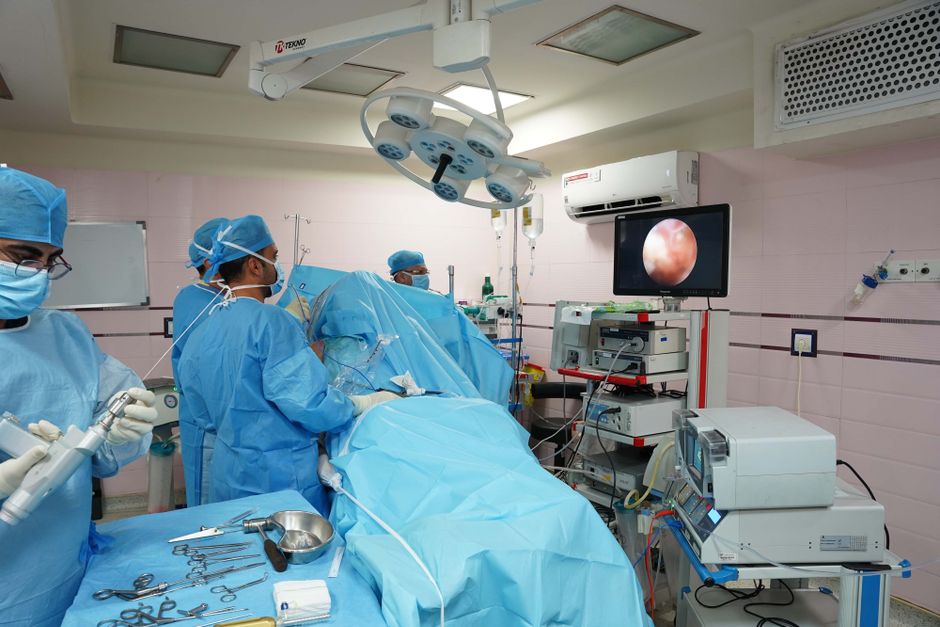
Under general anaesthesia, the surgeon makes four small incisions in the abdomen, each under a centimetre, and uses a camera along with slim instruments to detach and remove the gallbladder through one of these openings. The entire procedure typically takes 30 to 60 minutes for straightforward cases.
In a small number of cases, usually where inflammation or scarring is more extensive than expected, the surgeon may need to convert to a larger open incision for safety. This is planned for as a possibility beforehand and discussed honestly with every patient, not something sprung on you afterward.
Recovery Is Fast Compared to the Older Open Surgery
Most patients go home the same day or after one overnight stay for monitoring, and pain is generally well controlled with standard oral medication rather than anything stronger. Shoulder tip pain from the gas used during the laparoscopic procedure is common for a few days and resolves on its own without specific treatment.
Light activity and short walks are encouraged from the first day to support recovery, with most patients returning to desk work within a few days and to more physical activity or exercise within two to three weeks.
Signs You Should Have This Surgery Sooner Rather Than Later
Recurring pain after fatty meals, especially episodes lasting more than a few hours, is the classic sign gallstones need attention. Fever, yellowing of the skin or eyes, or pain that becomes constant rather than episodic are warning signs of a more serious complication, such as an infected gallbladder or a blocked bile duct, and need prompt evaluation rather than waiting.
Patients who delay surgery through repeated painful episodes often end up needing a more complex, higher-risk operation than if the gallbladder had been removed at the first clearly diagnosed episode.

[TABLE]
| Recovery Stage | What to Expect |
|---|---|
| Day of surgery | Home same day or next morning |
| Days 1-3 | Light activity, mild soreness |
| Week 1-2 | Return to desk work |
| Week 2-3 | Return to exercise, full activity |
If gallstone pain is disrupting your life, Dr Sami Salem Ahmad can assess your case and explain exactly what laparoscopic removal would involve for you specifically. Visit drsami-clinic.com to book a consultation.
Will I need to follow a special diet forever after my gallbladder is removed?
No, most patients return to a completely normal diet once fully recovered, though easing into fatty foods gradually in the first few weeks helps some people avoid temporary digestive discomfort. Long-term dietary restriction is not typically necessary.
Is it dangerous to live without a gallbladder?
No, the gallbladder is not an essential organ, and the liver continues to produce bile normally without it. Millions of people live completely normal lives after having their gallbladder removed.
What if I am scared of general anaesthesia?
This is a common concern, and modern anaesthesia for a procedure of this length and complexity carries a well-established safety record. Your anaesthesia team will review your specific health history beforehand to address any individual concerns directly.
Can gallstones come back after the gallbladder is removed?
No, since gallstones form inside the gallbladder itself, removing it eliminates the possibility of gallstones recurring in that location. In rare cases, stones can form or remain in the bile duct itself, which is why some patients need additional imaging or a separate procedure if this occurs.
How do I know if my abdominal pain is actually gallstones and not something else?
An ultrasound is the standard, straightforward test to confirm gallstones and is usually the first step when this pain pattern is suspected. Dr Sami Clinic can arrange this quickly if your symptoms match the typical pattern of pain after fatty meals.
What does the first appointment with Dr Sami involve for suspected gallstones?
The first visit includes a review of your symptoms and pain pattern, along with an ultrasound if one has not already been done, to confirm the diagnosis. Dr Sami Salem Ahmad will then discuss timing and what to expect if surgery is recommended.
Dr. Sami Salem Ahmad
FRCS, Dr Sami Clinic
Dr. Sami Salem Ahmad is a consultant surgeon with over 31 years of experience in general and metabolic surgery. He has practiced in Amman and Stuttgart and leads Dr Sami Clinic with a focus on safe, effective surgical care and long-term patient health. He holds the FRCS and has helped hundreds of patients through surgical and non-surgical treatment.
The information in this article is for educational purposes only and does not constitute medical advice. It should not be used to self-diagnose or replace a consultation with a qualified surgeon. If you have questions about your health or suitability for surgery, contact a licensed medical professional. For consultations with Dr Sami Salem Ahmad, visit drsami-clinic.com.