
Most patients qualify for bariatric surgery with a BMI of 40 or higher, or a BMI of 35 or higher combined with an obesity-related condition like type 2 diabetes, high blood pressure, or sleep apnea. Some patients with a BMI as low as 30 may also qualify if they have severe metabolic disease. Age, mental health readiness, and past weight loss attempts are also considered, but very few conditions rule surgery out completely. The best way to know for certain is a full evaluation with a surgeon like Dr. Sami Salem Ahmad.
You’ve probably run the BMI calculator more than once, half hoping the number changes on its own. Maybe a doctor mentioned weight loss surgery to you years ago, and it’s been sitting in the back of your mind ever since. Or maybe you’ve tried every diet, every plan, every promise on a bottle, and you’re tired of being told it’s about willpower. Underneath the research, there’s usually one real question: is this even an option for someone like me?
This article walks through exactly who typically qualifies for bariatric surgery, what can disqualify a patient, and the grey areas most people never get a straight answer to. At Dr Sami Clinic, Dr. Sami Salem Ahmad has spent over 31 years helping patients in Amman and Stuttgart find out, honestly and without judgment, whether surgery is the right next step for them. You don’t need to guess. By the end of this, you’ll know exactly what a real evaluation looks at.
The BMI and Weight Requirements Doctors Look At
Most patients qualify for bariatric surgery with a BMI (body mass index, a measure of weight relative to height) of 40 or higher, or a BMI of 35 or higher alongside an obesity-related health condition. Some patients with a BMI as low as 30 may also qualify if they have a severe metabolic condition, such as poorly controlled type 2 diabetes.
These numbers are a starting point, not a final answer. A surgeon still looks at your overall health, your history with weight loss, and how your body is likely to respond to each type of procedure before confirming what you actually qualify for.
Doctors also look beyond the number on the scale. Where you carry excess weight, your muscle mass, and metabolic markers like blood sugar and cholesterol all matter, because two patients with the same BMI can carry very different health risks.
Health Conditions That Strengthen Your Case for Surgery
Having an obesity-related health condition alongside a higher BMI often strengthens your case for surgery rather than weakening it. Conditions like type 2 diabetes, high blood pressure, obstructive sleep apnea, fatty liver disease, and joint pain from carrying excess weight are all taken seriously as medical reasons to move forward, not just cosmetic ones.
The most commonly considered conditions include:
- Type 2 diabetes or prediabetes
- High blood pressure
- Sleep apnea or other breathing difficulties during sleep
- Severe joint pain or mobility limitations
- Fatty liver disease
If you’re living with one or more of these, it’s worth mentioning at your first appointment, even if you assume the doctor already knows. It can change what you qualify for and how quickly insurance may approve the procedure.
The Main Types of Bariatric Surgery and Who Qualifies for Each
There isn’t one single surgery that every qualifying patient receives. The three most common procedures — gastric sleeve, gastric bypass, and gastric balloon — each have slightly different eligibility criteria, and your body, health history, and goals determine which one actually fits.
Gastric sleeve surgery is usually the starting recommendation for patients with a BMI of 35 and above who don’t have severe acid reflux. Gastric bypass is often better suited to patients with a BMI of 40 and above, or those managing type 2 diabetes alongside their weight. A gastric balloon, which isn’t surgery at all, can be an option for patients with a lower BMI who want to begin with a non-surgical step.

| Procedure | Typical BMI Range | Recovery Time | Best Suited For |
|---|---|---|---|
| Gastric Sleeve | 35+ | 2–3 weeks | Most first-time patients |
| Gastric Bypass | 40+, or 35+ with diabetes | 3–4 weeks | Severe reflux or diabetes |
| Gastric Balloon | 30–40 | Days | Lower BMI, non-surgical start |
| Revision Surgery | Varies | 3–4 weeks | Prior surgery, regained weight |
What Disqualifies You From Bariatric Surgery
Very few things disqualify a patient completely. The main ones are uncontrolled heart or lung disease that makes anesthesia unsafe, active substance abuse, an untreated eating disorder, or an inability to commit to the follow-up care surgery requires for life.
Being pregnant at the time of surgery, having an active cancer diagnosis under treatment, or having an uncontrolled bleeding disorder can also delay or rule out surgery, at least until those conditions are stabilised. In most of these cases, the door isn’t closed forever. It’s closed until it’s safe to open, and every case is reviewed individually rather than against a fixed checklist.
What doesn’t disqualify you is often more surprising than what does. Having tried and failed at diets before, being over a certain age, or struggling with your mental health does not automatically rule you out.
Age, Mental Health, and Other Factors Considered Case by Case
Age alone rarely disqualifies a patient. Healthy patients in their sixties and even seventies regularly qualify for bariatric surgery, as long as their overall health supports it. Surgery is used far less often in teenagers, and only in specific, carefully managed circumstances.
Mental health is evaluated, but not to exclude you for struggling. It’s to make sure you have support in place and that any untreated psychiatric crisis is addressed first, because surgery works best when you’re not navigating it alone. Having family or friends who can support you through recovery is also considered, though it’s rarely a dealbreaker on its own.
Previous failed diets are not held against you. If anything, they’re expected. Most patients who qualify for bariatric surgery have already tried, seriously and repeatedly, to lose weight through diet and exercise alone.
What Life Looks Like After Surgery, If You Qualify
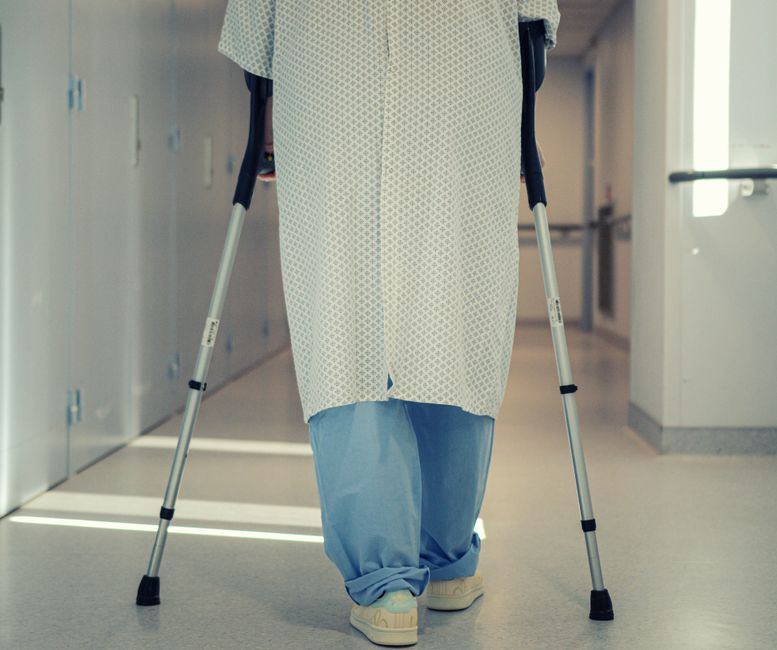
Qualifying for surgery is the beginning of the process, not the end of it. In the weeks after surgery, you’ll move through structured diet stages, starting with liquids and slowly returning to solid food, alongside regular follow-up appointments to track your progress.
Long-term success depends on more than the operation itself. It depends on ongoing support, adjusting your relationship with food, and staying connected to your surgical team well after the recovery period ends, which is exactly the kind of long-term relationship Dr Sami Clinic is built around.
If you’re wondering whether you qualify for gastric sleeve, gastric bypass, or another weight loss procedure, the only way to know for certain is a personal evaluation. Dr. Sami Salem Ahmad reviews your health history, BMI, and goals together with you at drsami-clinic.com, and walks you through exactly which procedure — if any — fits your body and your life. Book a consultation through drsami-clinic.com and bring your questions, including the ones you’re embarrassed to ask.
Frequently Asked Questions
Am I too old to qualify for bariatric surgery?
Age on its own is very rarely a reason to say no. What matters far more is your overall health, how well any existing conditions are managed, and whether your body can safely handle surgery and anesthesia. Many patients in their sixties and seventies qualify and go on to do very well, because their health, not their birth year, is what’s actually being evaluated. If you’re worried age will rule you out before you even get an assessment, that conversation is exactly what a consultation with Dr. Sami Salem Ahmad is for.
What if my BMI is only 30, can I still qualify?
It’s possible, though less common. Patients with a BMI around 30 may qualify if they have a severe obesity-related condition, such as poorly controlled type 2 diabetes, that surgery is likely to significantly improve. For patients closer to this range who don’t meet that threshold, a non-surgical option like a gastric balloon is sometimes offered as a starting point instead. The only way to know where you fall is a proper evaluation, since BMI alone never tells the whole story.
Will I be disqualified if I’ve failed diets before?
No, and this is one of the most common misunderstandings patients have. Having tried and struggled with diets, sometimes for years, is not held against you. In fact, most patients who go on to qualify for bariatric surgery have already made serious, repeated attempts to lose weight on their own. Surgery exists because diet and exercise alone don’t work for everyone, not because you didn’t try hard enough.
What disqualifies you from gastric sleeve surgery specifically?
Severe, uncontrolled acid reflux is one of the main reasons a surgeon might steer you away from gastric sleeve surgery specifically, since the procedure can sometimes worsen reflux symptoms. Beyond that, the general disqualifying factors apply, including uncontrolled heart or lung disease, active substance abuse, and untreated eating disorders. If gastric sleeve isn’t the right fit for your situation, that doesn’t mean surgery is off the table altogether — it usually just means a different procedure, like gastric bypass, may suit you better.
Will insurance cover my surgery if I qualify?
Coverage depends on your specific insurance provider and policy, and it’s worth checking directly with them alongside your evaluation. Many insurers require documented evidence of your BMI, your health conditions, and sometimes previous weight loss attempts before approving coverage. The clinical documentation from your assessment at Dr Sami Clinic can support that process. It’s a good idea to raise insurance questions early, at your first appointment, so there are no surprises later.
What if I’m scared of surgery but I think I qualify?
That fear is completely normal, and you’re far from the only patient who feels it. Most people considering bariatric surgery arrive at their first appointment nervous, and a good evaluation makes space for that instead of rushing past it. Dr. Sami Salem Ahmad walks patients through exactly what to expect at every stage, from the procedure itself to recovery, precisely because understanding the process is what makes the fear more manageable. Qualifying for surgery doesn’t mean you have to decide immediately, it means you finally have real information to make the decision with.
What does the first evaluation appointment with Dr Sami involve?
The first appointment is a detailed conversation, not a quick checklist. It typically covers your weight and health history, your BMI, any obesity-related conditions you’re managing, and previous attempts at weight loss. Dr. Sami Salem Ahmad uses this time to explain which procedures you may qualify for and to answer the questions you’ve likely been sitting on for a while. You can book this evaluation directly through drsami-clinic.com.
Dr. Sami Salem Ahmad
FRCS, Dr Sami Clinic
Dr. Sami Salem Ahmad is a consultant surgeon with over 31 years of experience in weight loss and metabolic surgery. He has practiced in Amman and Stuttgart and leads Dr Sami Clinic with a focus on safe, sustainable weight loss and long-term patient health. He holds the FRCS and has helped hundreds of patients reclaim their health through surgical and non-surgical treatment.
The information in this article is for educational purposes only and does not constitute medical advice. It should not be used to self-diagnose or replace a consultation with a qualified surgeon. If you have questions about your health or suitability for surgery, contact a licensed medical professional. For consultations with Dr Sami Salem Ahmad, visit drsami-clinic.com.