
Nausea, cramping, and general discomfort are normal in the first three to five days after intragastric balloon placement, as your stomach adjusts to the new device. These symptoms are manageable with medication and typically ease significantly within a week. Severe, worsening pain, persistent vomiting, or fever are not normal and need prompt medical attention. Dr. Sami Salem Ahmad prepares every patient for what to expect before the balloon is placed.
The first few days after balloon placement can feel more uncomfortable than the calm, low-key procedure you were expecting, and without knowing what’s normal in advance, that discomfort can feel alarming rather than simply temporary.
This article covers exactly what side effects to expect after intragastric balloon placement and what genuinely warrants concern. Dr. Sami Salem Ahmad has guided patients in Amman and Stuttgart through this adjustment period for over 31 years, and knowing what’s coming makes it far more manageable.
What Side Effects Are Normal in the First Few Days
Nausea, cramping, occasional vomiting, and a general feeling of fullness or discomfort are all normal in the first three to five days after placement. Your stomach is adjusting to a new object inside it, and these symptoms reflect that adjustment, not a problem with the procedure.
Most patients describe this window as genuinely the hardest part of the entire six-month process, which is worth knowing so you’re prepared rather than caught off guard.
Why Nausea and Cramping Happen
Your stomach responds to the balloon similarly to how it might respond to any foreign object, with muscle contractions and increased sensitivity that produce nausea and cramping. This is a physical, expected reaction, not a sign that the placement went wrong.
Medication prescribed alongside the procedure specifically targets these symptoms and significantly reduces their intensity for most patients.

| Symptom | Typical Timing | Status |
|---|---|---|
| Nausea, cramping | Days 1–5 | Normal |
| Occasional vomiting | Days 1–3 | Normal |
| Mild fullness, bloating | Ongoing, easing over weeks | Normal |
| Severe pain, persistent vomiting | Any time | Needs medical attention |
| Fever | Any time | Needs medical attention |
How Long Side Effects Typically Last
Most acute symptoms, nausea, cramping, vomiting, ease significantly within the first week and are largely resolved by two weeks. Mild fullness or bloating can persist longer as your stomach continues adjusting, but it’s generally much less disruptive by this point.
If symptoms are still severe well past the first week, that’s worth a follow-up call rather than assuming you simply have to wait it out longer.
Managing Side Effects at Home
Taking prescribed anti-nausea medication consistently, sipping fluids slowly, resting, and sticking closely to the recommended liquid and soft food diet all help manage symptoms during the adjustment period. Avoiding large volumes of liquid or food at once reduces discomfort significantly.
Most patients find the second and third days are the hardest, with noticeable improvement by day four or five. This pattern is common enough to be genuinely reassuring when you’re in the middle of it.
When Side Effects Might Mean Something More Serious
Severe or worsening abdominal pain, persistent vomiting that prevents keeping fluids down, fever, or signs of dehydration are not normal and need prompt medical attention. These can occasionally indicate balloon deflation or another complication that needs assessment.
Trust your instincts here. If something feels different from the expected adjustment discomfort, it’s always reasonable to call rather than wait.
What Most Patients Say About the Adjustment Period
Looking back, most patients describe the first week as difficult but clearly temporary, with a real sense of relief once symptoms ease and the remaining months feel far more manageable. Very few describe it as worse than they expected once they knew what to prepare for.
This is exactly why setting expectations in advance matters. Knowing the discomfort is short-lived changes how it feels to go through it.
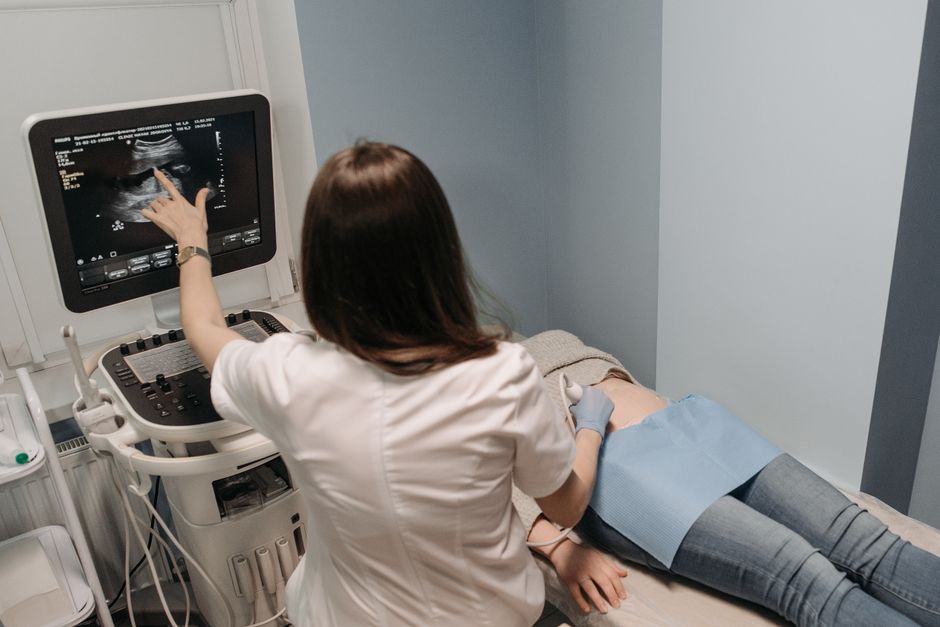
If you’re considering an intragastric balloon and want an honest picture of what the adjustment period feels like, Dr. Sami Salem Ahmad walks through this directly during your evaluation. Book a consultation through drsami-clinic.com.
Frequently Asked Questions
Is it normal to vomit after getting a balloon placed?
Yes, occasional vomiting in the first few days is common as your stomach adjusts to the device, and it’s usually managed effectively with prescribed medication. Persistent vomiting that prevents you from keeping fluids down for more than a day is not normal and needs medical attention.
How bad is the pain really, compared to other procedures?
Most patients describe the discomfort as cramping and nausea rather than sharp pain, and it’s generally manageable with medication, though genuinely uncomfortable for the first few days. It’s typically less physically demanding overall than recovery from surgical procedures like gastric sleeve.
What if my symptoms aren’t improving after a week?
This is worth a follow-up call to your care team rather than assuming you simply need to wait longer. Most patients see significant improvement within the first week, so symptoms that remain severe past that point deserve a proper check.
Can I go to work during the first few days after placement?
Many surgical teams recommend taking three to five days off work initially, given the nausea and fatigue common in this window. Some patients feel well enough to return sooner, but it’s worth planning for at least a few days of reduced activity.
Will the discomfort come back later, or is it just at the start?
For most patients, the significant discomfort is concentrated in the first week or two, with the following months feeling considerably more manageable. Mild fullness or occasional discomfort with eating can continue throughout, but it’s generally much less intense than the initial adjustment.
What symptoms mean the balloon might have deflated?
Sudden changes in urine or stool color, a noticeable return of appetite, or renewed significant discomfort can sometimes indicate deflation and should be reported to your care team promptly. This is uncommon but worth knowing the signs of.
Is it normal to feel emotionally discouraged during the first week?
Yes, feeling discouraged or wondering if you made the right decision during an uncomfortable first week is a common, human reaction, not a sign anything is wrong. Most patients feel considerably more positive once symptoms ease and they start seeing progress.
Dr. Sami Salem Ahmad
FRCS, Dr Sami Clinic
Dr. Sami Salem Ahmad is a consultant surgeon with over 31 years of experience in weight loss and metabolic surgery. He has practiced in Amman and Stuttgart and leads Dr Sami Clinic with a focus on safe, sustainable weight loss and long-term patient health. He holds the FRCS and has helped hundreds of patients reclaim their health through surgical and non-surgical treatment.
The information in this article is for educational purposes only and does not constitute medical advice. It should not be used to self-diagnose or replace a consultation with a qualified surgeon. If you have questions about your health or suitability for surgery, contact a licensed medical professional. For consultations with Dr Sami Salem Ahmad, visit drsami-clinic.com.