An intragastric balloon typically stays in place for six months, the standard timeframe balanced between meaningful weight loss and safety, since balloons aren’t approved for indefinite use. Removal is a quick endoscopic procedure, similar to placement, done under sedation with no incisions. Most patients go home the same day and resume normal eating within a day or two. Dr. Sami Salem Ahmad discusses what comes next, whether that’s maintenance or a further procedure.
Once you’ve decided on the balloon, the practical questions start piling up: exactly how long is it actually in for, what does taking it out involve, and what happens to your stomach and your results once it’s gone? These deserve straight, specific answers.
This article covers exactly how long the balloon stays in, what removal involves, and what happens afterward. Dr. Sami Salem Ahmad has guided patients in Amman and Stuttgart through the full balloon journey for over 31 years, and knowing the whole timeline upfront makes the decision much easier.
How Long the Balloon Stays In
Most intragastric balloons stay in place for six months, the standard duration approved for safety and effectiveness. Some specific balloon types are approved for slightly longer, but six months remains the most common timeframe used in practice.
This is a fixed timeframe, not something that varies much by individual progress. The removal date is generally set from the start, giving you a clear endpoint to work toward.
Why Six Months Is the Standard Timeframe
Six months balances giving patients enough time to see meaningful results and build lasting habits against the increasing risk of complications, like deflation or erosion, the longer any device remains in the stomach. It’s not an arbitrary number, it reflects a genuine safety and effectiveness balance.
Leaving a balloon in longer than approved isn’t an option your surgical team will offer, regardless of how well it’s working, precisely because of this safety consideration.
| Stage | Timing | What Happens |
|---|---|---|
| Placement | Day 1 | Endoscopic, 20–30 minutes |
| Monitoring | Months 1–6 | Regular follow-up appointments |
| Removal | Month 6 | Endoscopic, similar to placement |
| Recovery | 1–2 days | Normal eating resumes |
What the Removal Procedure Actually Involves
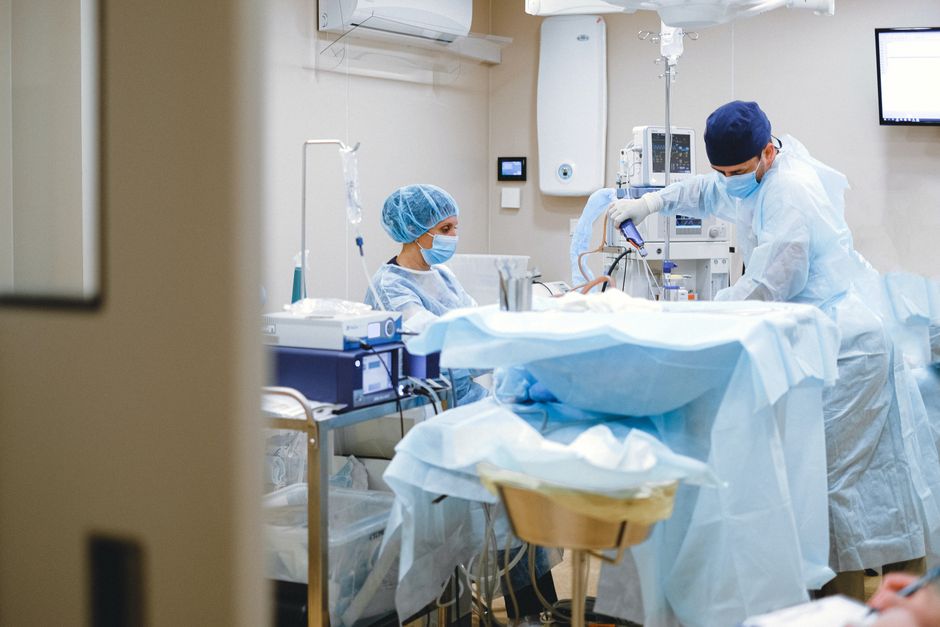
Removal is done endoscopically, through the mouth, under sedation, with the balloon deflated and withdrawn using specialised instruments. The procedure typically takes 20 to 30 minutes, similar in length and simplicity to the original placement.
There’s no incision involved, and most patients experience mild throat discomfort afterward, similar to what you might feel after any endoscopic procedure.
Recovery After Removal
Most patients go home the same day and resume normal eating within a day or two, once any mild sedation effects and throat discomfort have passed. There’s no extended diet progression required for removal itself, unlike the diet stages after surgical procedures.
Some patients notice their stomach feels unusually spacious in the days immediately after removal, which is a normal, temporary sensation as your body readjusts.
What Happens to Your Stomach and Weight Afterward
Your stomach returns to its normal, pre-balloon capacity once the device is removed, meaning the physical support for portion control is gone. This is exactly why the habits built during the six months matter so much for maintaining your results afterward.
Weight regain is common without continued effort, but it isn’t inevitable. Patients who’ve genuinely changed their eating and activity patterns during the balloon period tend to maintain results far better.
What Comes Next: Options After the Balloon
After removal, most patients either continue maintaining their results independently, consider a surgical option if they want further weight loss, or in some cases discuss a second balloon period. The right next step depends entirely on your results and goals.
This conversation happens naturally as part of your final follow-up appointments, so you’re not left wondering what happens after the six months end.
If you want to understand the full six-month balloon journey, from placement to removal to what comes after, Dr. Sami Salem Ahmad walks through the entire timeline at your evaluation. Book a consultation through drsami-clinic.com.
Frequently Asked Questions
Can the balloon stay in longer than six months if it’s working well?
No, balloons are approved for a specific duration, typically six months, based on safety data, and this timeframe isn’t extended regardless of how well weight loss is progressing. The risk of complications increases the longer any device remains in the stomach.
Is removal as uncomfortable as placement?
Removal is generally similarly straightforward to placement, done endoscopically under sedation, with most patients experiencing only mild throat discomfort afterward. It doesn’t typically involve the several days of nausea and cramping that can follow placement.
What if I want the balloon removed early?
Early removal is possible if you’re experiencing significant complications or intolerable symptoms, and your surgical team will guide you through this if it becomes necessary. It’s not a decision made lightly, since it means losing the remaining months of the intended treatment period.
Will my stomach be stretched or changed after the balloon is removed?
No, your stomach returns to its normal capacity and function once the balloon is removed, since it’s a temporary device rather than a procedure that alters your anatomy. This is one of the key differences between the balloon and surgical options.
How soon after removal can I eat normally again?
Most patients resume normal eating within a day or two of removal, once sedation effects and any throat discomfort have passed. There’s no extended diet progression required, unlike recovery from gastric sleeve or bypass.
Can I get a second balloon after this one is removed?
In some cases, yes, though this is assessed individually based on your results and goals from the first balloon period. Dr. Sami Salem Ahmad can discuss whether a second balloon or a different next step makes more sense for you.
What if I gain back all the weight after removal?
This is worth returning to your surgical team about rather than assuming nothing can be done. Depending on your situation, options can include revisiting lifestyle strategies, a second balloon period, or considering a surgical procedure if that better fits your goals now.
Dr. Sami Salem Ahmad
FRCS, Dr Sami Clinic
Dr. Sami Salem Ahmad is a consultant surgeon with over 31 years of experience in weight loss and metabolic surgery. He has practiced in Amman and Stuttgart and leads Dr Sami Clinic with a focus on safe, sustainable weight loss and long-term patient health. He holds the FRCS and has helped hundreds of patients reclaim their health through surgical and non-surgical treatment.
The information in this article is for educational purposes only and does not constitute medical advice. It should not be used to self-diagnose or replace a consultation with a qualified surgeon. If you have questions about your health or suitability for surgery, contact a licensed medical professional. For consultations with Dr Sami Salem Ahmad, visit drsami-clinic.com.