
Bariatric surgery is considered a safe, well-established procedure with a mortality rate comparable to common operations like gallbladder removal, generally under 0.1 to 0.3 percent in the hands of an experienced surgical team. The biggest factor influencing your individual risk is not the surgery type itself, but the surgeon’s experience, the hospital’s protocols, and how thoroughly you are screened and prepared beforehand.
Somewhere between researching procedures and reading patient reviews, you have come across a story that scared you, maybe a complication, maybe worse, and now the fear sitting underneath your decision is not about the recovery or the diet changes, it is about whether this is actually safe.
Dr Sami Salem Ahmad addresses this fear directly and honestly with every patient, because pretending the risk is zero would be dishonest, and refusing to look at the actual data would leave you more scared than the facts warrant. This article covers the real numbers, what actually drives risk, and how to evaluate a surgeon properly.
The Actual Mortality Data Is Reassuring When You Look at It Directly
Large studies across thousands of bariatric procedures consistently show 30-day mortality rates well under half a percent, comparable to gallbladder removal and considerably lower than many people assume before researching the actual numbers. This makes bariatric surgery one of the safer major surgical procedures performed today, not a high-risk gamble.
Gastric bypass carries a marginally higher complication rate than gastric sleeve due to its more complex rerouting of the digestive tract, which is one of several factors Dr Sami Salem Ahmad weighs when recommending a specific procedure for your individual case.
The Most Common Complications Are Manageable, Not Catastrophic
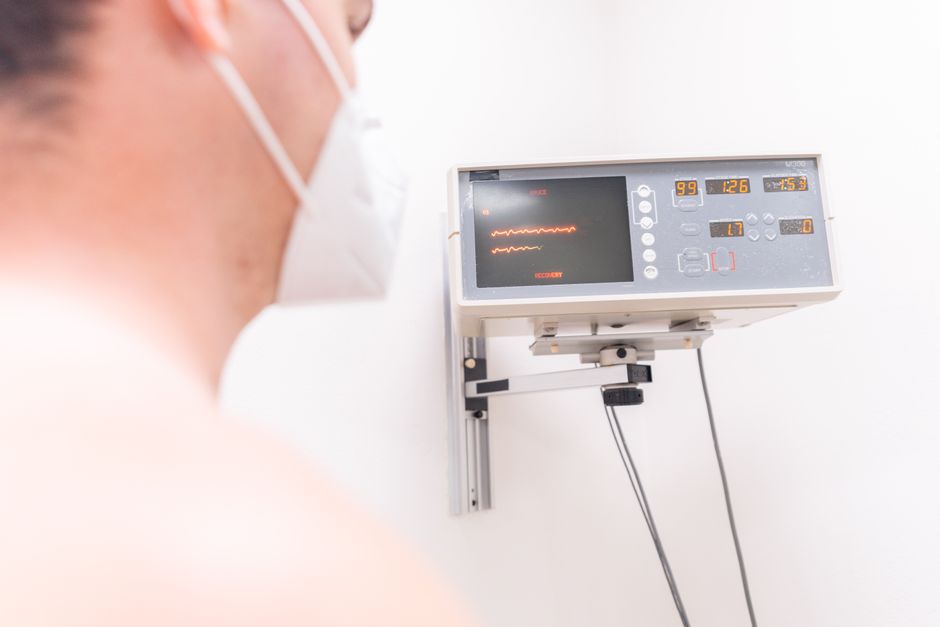
Leak at a surgical staple line, blood clots, and infection are the complications most closely monitored after surgery, and all are actively screened for during your hospital stay through specific protocols designed to catch them early. When caught early, these complications are generally very treatable, which is exactly why the structured monitoring in the days after surgery matters as much as the operation itself.
Nutritional deficiencies are a longer-term risk rather than an immediate surgical one, and this is why lifelong supplementation and follow-up blood work, covered in detail elsewhere on this site, are such a consistent part of what Dr Sami Clinic emphasises with every patient.
Surgeon Experience Is the Single Biggest Factor You Can Actually Control
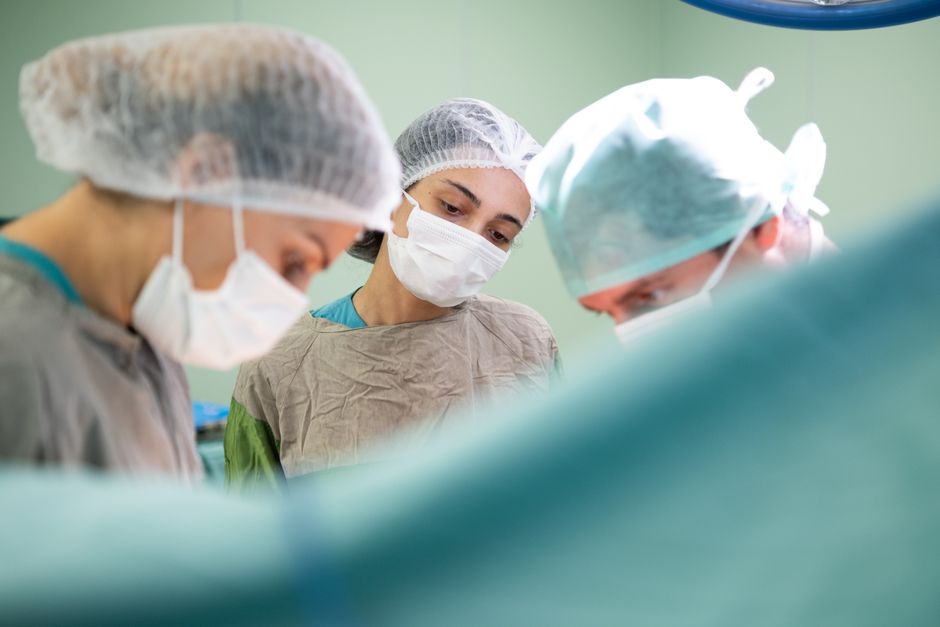
Complication rates drop substantially with surgeons who have performed a high volume of these specific procedures, since bariatric surgery involves technical nuances that improve significantly with experience. This is one of the most important, yet frequently overlooked, factors patients should evaluate when choosing where to have surgery, arguably more important than the exact procedure type itself.
Dr Sami Salem Ahmad brings over 31 years of surgical experience across Amman and Stuttgart specifically to this consideration, since a surgeon’s track record and volume of experience are genuinely predictive of outcomes in a way marketing claims are not.
Questions Worth Asking Any Surgeon Before Committing
Ask directly how many of the specific procedure you are considering the surgeon has personally performed, what their individual complication and revision rates are, and what protocols the hospital has in place for detecting and managing complications early. A confident, transparent surgeon will answer these questions clearly rather than deflecting or offering vague reassurance.
It is also worth asking what happens if a complication does occur, including how quickly you would be seen and what the escalation process looks like, since knowing this in advance removes a significant amount of the uncertainty driving patient anxiety about safety.
[TABLE]
| Procedure | Approximate 30-Day Mortality | Comparison Point |
|---|---|---|
| Gastric sleeve | Under 0.1% | Similar to gallbladder removal |
| Gastric bypass | Under 0.3% | Slightly higher, still low |
| Hip replacement | Around 0.3-0.5% | Common reference comparison |
If safety concerns are what is holding you back from moving forward, Dr Sami Salem Ahmad will answer every question honestly, including his own experience and track record, before you make any decision. Visit drsami-clinic.com to start that conversation.
Am I too high risk for surgery if I have other health conditions like diabetes or high blood pressure?
Not necessarily, since these conditions are exactly what pre-surgery screening and optimisation are designed to manage safely, and many patients with these conditions have surgery successfully once properly assessed. Dr Sami Clinic evaluates your overall risk individually rather than automatically excluding patients with common comorbidities.
What if I am scared something will go wrong during the surgery itself?
This fear is extremely common, and looking at the actual mortality data alongside understanding your specific surgeon’s experience and the hospital’s safety protocols is the most effective way to make an informed decision rather than a fear-based one. Dr Sami Salem Ahmad takes time to walk through this honestly with every patient who raises this concern.
How do I know if a surgeon is actually experienced enough to trust with this surgery?
Ask directly about years of experience, total procedure volume, and specific complication rates, and expect clear, specific answers rather than vague reassurance. A surgeon’s willingness to discuss this openly is itself a meaningful signal.
Is it riskier to have this surgery abroad rather than in my home country?
Risk depends on the specific surgeon and facility rather than the country itself, and internationally trained, experienced surgeons practicing in accredited hospitals abroad can offer the same safety standards as equivalent care at home. Verifying credentials and protocols matters more than geography.
What happens if a complication does occur during my recovery?
Dr Sami Clinic has clear protocols for monitoring and rapidly addressing the most common complications during your hospital stay, and this process is explained to you before surgery so you know exactly what to expect if something needs attention. Early detection and rapid response are what keep manageable complications from becoming serious ones.
What does the first appointment with Dr Sami involve if safety is my biggest concern?
The first visit is an opportunity to ask every safety-related question directly, including Dr Sami Salem Ahmad’s specific experience and the hospital’s protocols, alongside a thorough review of your individual health history and risk factors. Nothing about this conversation is rushed or treated as a formality.
Dr. Sami Salem Ahmad
FRCS, Dr Sami Clinic
Dr. Sami Salem Ahmad is a consultant surgeon with over 31 years of experience in weight loss and metabolic surgery. He has practiced in Amman and Stuttgart and leads Dr Sami Clinic with a focus on safe, sustainable weight loss and long-term patient health. He holds the FRCS and has helped hundreds of patients reclaim their health through surgical and non-surgical treatment.
The information in this article is for educational purposes only and does not constitute medical advice. It should not be used to self-diagnose or replace a consultation with a qualified surgeon. If you have questions about your health or suitability for surgery, contact a licensed medical professional. For consultations with Dr Sami Salem Ahmad, visit drsami-clinic.com.