
Laparoscopic surgery recovers faster than open surgery because small keyhole incisions cause far less tissue damage, less pain, and a lower infection risk than one large cut through muscle and skin. Most patients return home within a day or two and resume normal activity within one to three weeks, compared to several weeks for the equivalent open procedure.
Your surgeon has recommended a laparoscopic approach for your upcoming procedure, and you keep hearing it described as easier and faster to recover from, but you want to actually understand why that is true rather than just take it as a given.
Dr Sami Salem Ahmad explains this difference to patients across many types of procedures, since understanding why laparoscopic surgery heals faster helps set realistic expectations for your specific recovery timeline. This article breaks down the actual reasons behind the difference and what your recovery will genuinely involve.
Smaller Incisions Mean Dramatically Less Tissue Trauma
Open surgery requires cutting through skin, fat, and often muscle to give the surgeon direct visual and physical access to the area being treated, and healing that larger wound takes considerably longer regardless of how well the surgery itself goes. Laparoscopic surgery achieves the same internal result through several incisions typically under a centimetre each, meaning far less tissue is disrupted in the process.
This difference in tissue trauma is the single biggest reason laparoscopic patients experience less pain, need less pain medication, and are able to move around sooner after surgery.
Less Tissue Damage Also Means Lower Complication Risk
Smaller wounds have a meaningfully lower risk of infection, since there is less exposed tissue and a smaller opening for bacteria to enter. Blood loss during laparoscopic procedures is also typically much lower than the equivalent open surgery, reducing the chance of needing a transfusion.
Hospital stays are shorter as a direct result of these lower complication rates, which is also why laparoscopic surgery tends to be more cost-effective overall despite sometimes requiring specialised equipment.
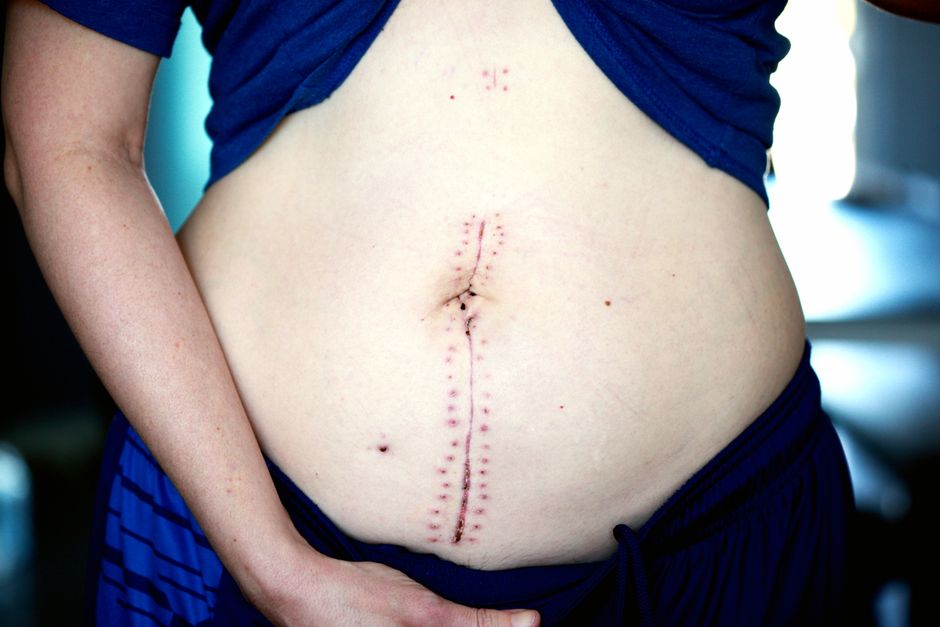
What Your Recovery Timeline Will Likely Look Like
Most laparoscopic patients go home within 24 to 48 hours, depending on the specific procedure, compared to several days for open surgery. Mild soreness around the small incisions is normal for the first week, and a temporary shoulder tip pain from the gas used to inflate the abdomen during surgery is common and resolves on its own within a few days.
Light walking is encouraged from day one to support circulation and reduce the risk of blood clots, with most patients returning to desk work within one to two weeks and to full activity, including exercise, within three to four weeks depending on the specific procedure performed.
Laparoscopic Surgery Is Not Automatically the Right Choice for Every Case
Despite its recovery advantages, laparoscopic surgery is not appropriate for every situation. Very complex cases, significant scar tissue from previous surgery, or certain emergencies sometimes require an open approach for safety, and a good surgeon will recommend based on your specific anatomy rather than defaulting to whichever technique sounds more appealing.
Occasionally, a laparoscopic procedure needs to be converted to open surgery partway through if the surgeon encounters something unexpected, and this possibility is always discussed honestly with patients beforehand as part of informed consent.

[TABLE]
| Factor | Laparoscopic | Open |
|---|---|---|
| Hospital stay | 1-2 days | 3-7 days |
| Return to work | 1-2 weeks | 4-6 weeks |
| Infection risk | Lower | Higher |
| Scarring | Minimal | More visible |
Whatever procedure you are considering, Dr Sami Salem Ahmad can explain exactly what recovery will realistically look like for your specific case. Visit drsami-clinic.com to book a consultation.
Is laparoscopic surgery always less painful than open surgery?
In the vast majority of cases, yes, because less tissue is cut and disrupted, but individual pain experience does vary and any surgery involves some discomfort during recovery. Standard pain medication is typically sufficient for laparoscopic recovery.
Why does my shoulder hurt after abdominal laparoscopic surgery?
This is caused by gas used to inflate the abdomen during surgery, which can irritate the diaphragm and refer pain to the shoulder area. It is a well-known, temporary side effect that resolves within a few days as the gas is naturally absorbed by the body.
What if my surgery needs to be converted to open partway through?
This happens in a small percentage of cases when the surgeon encounters something unexpected requiring more direct access for safety, and it is always explained as a possibility before your procedure. If it happens, your recovery timeline will simply follow the open surgery pattern instead.
Am I too old for laparoscopic surgery?
Age itself rarely rules out a laparoscopic approach, and in fact older patients often benefit even more from the reduced recovery time compared to open surgery. Overall fitness for anaesthesia is what is assessed individually, not age alone.
How soon can I shower or get the incisions wet after laparoscopic surgery?
This varies depending on the specific procedure and dressing type used, but many patients can shower within a day or two once cleared by their surgical team. Specific wound care instructions will be given before you leave the hospital.
What does the first appointment with Dr Sami involve when discussing laparoscopic surgery options?
The first visit includes a review of your specific condition, imaging if needed, and an honest discussion of whether a laparoscopic or open approach is most appropriate for your case. Dr Sami Salem Ahmad will walk you through exactly what to expect at each stage of recovery.
Dr. Sami Salem Ahmad
FRCS, Dr Sami Clinic
Dr. Sami Salem Ahmad is a consultant surgeon with over 31 years of experience in general and metabolic surgery. He has practiced in Amman and Stuttgart and leads Dr Sami Clinic with a focus on safe, effective surgical care and long-term patient health. He holds the FRCS and has helped hundreds of patients through surgical and non-surgical treatment.
The information in this article is for educational purposes only and does not constitute medical advice. It should not be used to self-diagnose or replace a consultation with a qualified surgeon. If you have questions about your health or suitability for surgery, contact a licensed medical professional. For consultations with Dr Sami Salem Ahmad, visit drsami-clinic.com.