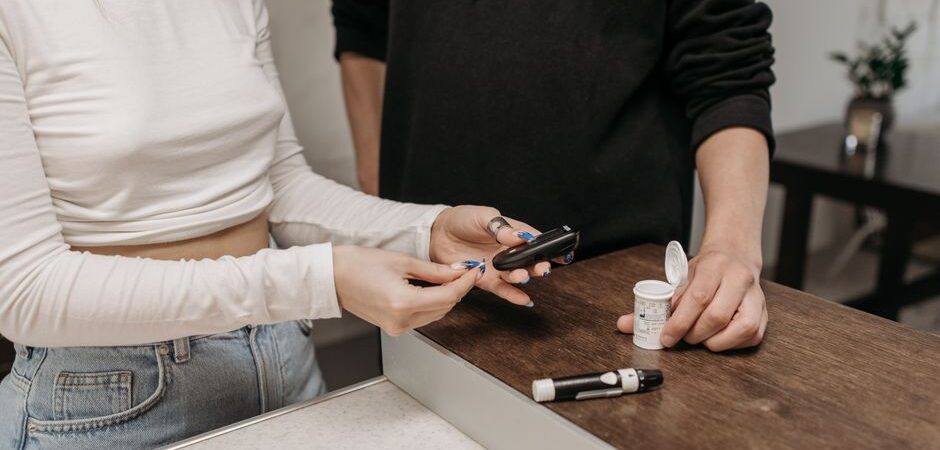
Bariatric surgery, particularly gastric bypass, can put type 2 diabetes into remission in a large proportion of patients, often within days of surgery and before significant weight loss has even occurred. This happens because the procedure changes gut hormones that regulate blood sugar directly, not simply because a patient weighs less afterward.
You have been managing type 2 diabetes for years, tracking blood sugar, adjusting medication doses, and wondering whether this is simply how the rest of your life will look. Then you hear about someone who had weight loss surgery and came off their diabetes medication entirely, and it sounds almost too good to be true.
Dr Sami Salem Ahmad has seen this outcome often enough that it is now a well-documented, mainstream reason patients with diabetes are referred for bariatric surgery specifically, not just for weight loss. This article explains the actual mechanism behind it, which patients respond best, and what remission really means.
The Effect Starts Before Meaningful Weight Loss Happens
Many gastric bypass patients see their blood sugar normalise within the first week after surgery, long before they have lost enough weight for that alone to explain the change. This tells researchers and surgeons that something more direct than simple weight reduction is driving the improvement.
Rerouting food past part of the small intestine changes the release of gut hormones, particularly GLP-1 and other incretins, that directly improve insulin sensitivity and how effectively your pancreas responds to blood sugar. This hormonal shift is the primary driver in the earliest weeks, with sustained weight loss reinforcing the effect over the following months.
Gastric Bypass Outperforms Gastric Sleeve for Diabetes Remission
Both procedures improve diabetes, but gastric bypass produces higher and more durable remission rates because of the specific way it reroutes the digestive tract past more of the small intestine. Gastric sleeve still produces meaningful improvement for many patients, largely through weight loss and some hormonal change, but is generally the second choice specifically when diabetes remission is the primary goal.
This is one of the key factors Dr Sami Salem Ahmad weighs when a patient’s diabetes history is a significant part of their reason for pursuing surgery, rather than defaulting to whichever procedure is more commonly chosen overall.
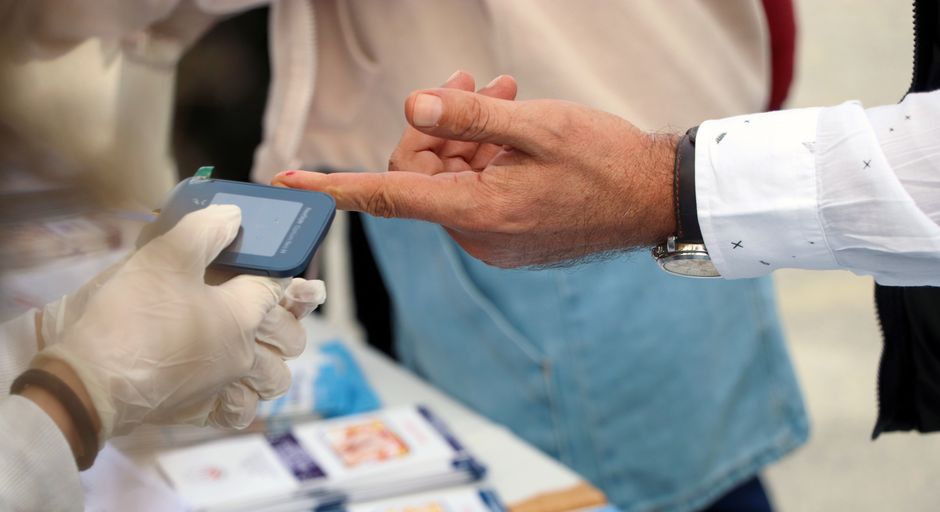
Not Every Patient Achieves Full Remission, and That Is Predictable in Advance
Patients with a shorter duration of diabetes before surgery, less reliance on insulin, and better preserved pancreatic function going in tend to have the highest chance of full remission. Patients who have had diabetes for many years or who are already on high-dose insulin often see substantial improvement and reduced medication needs, but full remission is less certain.
This is why bloodwork and a detailed diabetes history are part of the pre-surgery evaluation at Dr Sami Clinic, so expectations are set realistically based on your specific situation rather than a generic outcome.
Remission Requires Ongoing Monitoring, Not a One-Time Fix
Even in patients who achieve full remission, blood sugar needs to be monitored periodically for years afterward, since a portion of patients see diabetes return, particularly if significant weight regain occurs later. Regular follow-up blood work catches any return of blood sugar issues early, when they are far easier to manage.
Maintaining the dietary habits and weight established after surgery is what protects the remission long term, making post-surgery lifestyle consistency just as important for diabetes control as it is for weight maintenance.
[TABLE]
| Factor | Effect on Remission Chances |
|---|---|
| Shorter diabetes duration | Higher chance of full remission |
| Lower insulin dependence | Higher chance of full remission |
| Gastric bypass vs sleeve | Bypass generally more effective |
| Post-surgery weight maintenance | Protects remission long term |
If type 2 diabetes is part of why you are considering weight loss surgery, Dr Sami Salem Ahmad can review your specific history to give you a realistic picture of what remission might look like for you. Visit drsami-clinic.com to book a consultation.
How soon after surgery will I know if my diabetes is improving?
Many patients see blood sugar improvements within the first week after gastric bypass, well before significant weight loss occurs, though your medication needs will be reassessed carefully during this period rather than stopped abruptly. Dr Sami Clinic coordinates closely with your diabetes management team during this transition.
Will I still need to take my diabetes medication right after surgery?
In many cases medication doses are reduced quickly or stopped soon after surgery once blood sugar improves, but this must be managed carefully by your medical team to avoid dangerously low blood sugar. Do not adjust or stop diabetes medication on your own after surgery without guidance.
Is it possible my diabetes could come back years after remission?
Yes, a portion of patients see diabetes return over time, particularly with significant weight regain, which is why ongoing blood sugar monitoring for years after surgery matters even once you feel fully in remission. Catching an early return allows it to be managed much more easily than if it goes unnoticed.
What if I have had diabetes for over 15 years, is surgery still worth considering?
Surgery can still meaningfully improve blood sugar control and reduce medication needs even with a longer diabetes history, though full remission becomes less likely the longer diabetes has been present. Dr Sami Salem Ahmad will give you an honest, individualised assessment rather than a generic answer either way.
Is this covered by insurance if my main reason for surgery is diabetes rather than weight?
Many insurers do recognise poorly controlled type 2 diabetes as a qualifying condition for bariatric surgery coverage, sometimes with different criteria than weight loss alone. The team at drsami-clinic.com can help you understand what documentation your specific insurer requires.
What does the first appointment with Dr Sami involve if diabetes is my main concern?
The first visit includes a detailed review of your diabetes history, current medications, and recent blood sugar control, which helps determine whether gastric bypass or another procedure gives you the best realistic chance at remission. Dr Sami Salem Ahmad uses this information to set expectations clearly before any decision is made.
Dr. Sami Salem Ahmad
FRCS, Dr Sami Clinic
Dr. Sami Salem Ahmad is a consultant surgeon with over 31 years of experience in weight loss and metabolic surgery. He has practiced in Amman and Stuttgart and leads Dr Sami Clinic with a focus on safe, sustainable weight loss and long-term patient health. He holds the FRCS and has helped hundreds of patients reclaim their health through surgical and non-surgical treatment.
The information in this article is for educational purposes only and does not constitute medical advice. It should not be used to self-diagnose or replace a consultation with a qualified surgeon. If you have questions about your health or suitability for surgery, contact a licensed medical professional. For consultations with Dr Sami Salem Ahmad, visit drsami-clinic.com.