
A gastric band adjustment is a quick, in-office procedure where fluid is added to or removed from the band through a small port under your skin, changing how restrictive it feels. Most patients need several adjustments in the first year, then far fewer after that, as the right fill level is found. It takes minutes, involves no incisions, and most patients return to normal activity immediately. Dr. Sami Salem Ahmad reviews your progress at each visit to decide whether an adjustment is needed.
If you have a gastric band, the word “adjustment” probably came up early and often, without always being explained clearly. What actually happens? Does it hurt? How do you even know if you need one? These are reasonable, practical questions that deserve a straight answer.
This article explains exactly how gastric band adjustments work and how often you’ll typically need them. Dr. Sami Salem Ahmad has performed this procedure for patients in Amman and Stuttgart for over 31 years, and understanding the process removes most of the uncertainty around it.
What a Gastric Band Adjustment Actually Involves
An adjustment involves injecting or removing saline fluid through a small port sitting just under the skin of your abdomen, which changes how tightly the band restricts your stomach. It’s done with a fine needle, guided by feel or occasionally by X-ray, and takes only a few minutes.
No incision, no anaesthetic beyond a local numbing if needed, and no recovery time. Most patients describe it as similar to a blood draw in terms of discomfort.
Why Adjustments Are Needed at All
The right level of restriction changes as your body adapts, as you lose weight, and as your eating patterns shift, which is why a single fixed setting rarely works long-term. Too loose, and the band doesn’t support weight loss effectively; too tight, and it causes discomfort or difficulty eating.
Finding your individual right level is a gradual process, not something set correctly on the first try for most patients.
How the Procedure Works, Step by Step
Your surgeon locates the port under the skin, cleans the area, and uses a fine needle to add or remove a small, measured amount of saline. You’ll often be asked to drink water afterward to check that swallowing feels comfortable at the new setting.
If anything feels too tight immediately after, fluid can be removed again in the same visit. This is a routine part of the process, not a sign anything went wrong.
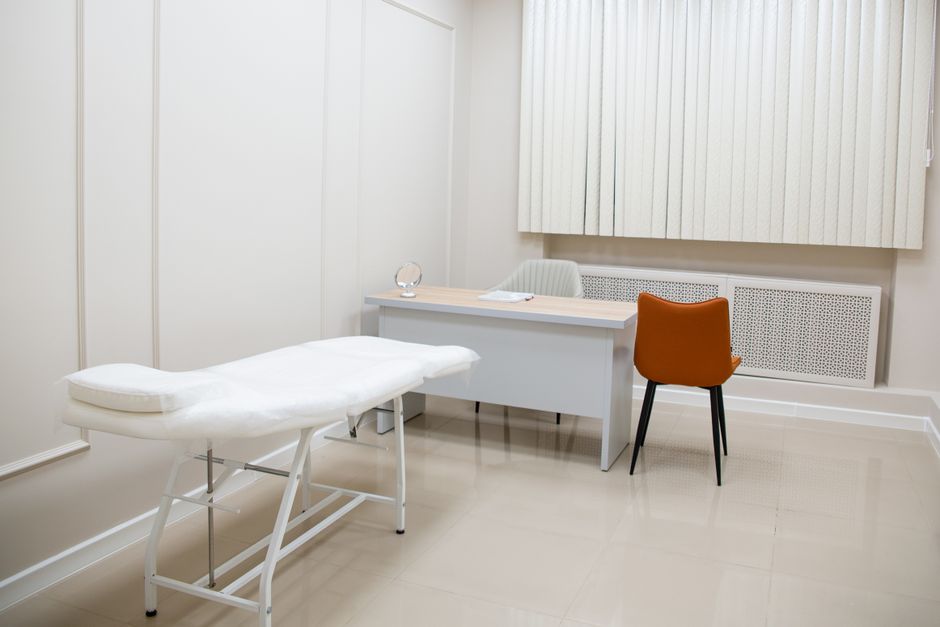
How Often You’ll Need Adjustments
Most patients need several adjustments during the first year, often every four to eight weeks initially, then far fewer, sometimes just one or two a year, once the right fill level is found. This tapering pattern is typical and expected.
Every patient’s schedule looks a little different depending on how their body responds and how their weight loss progresses. There’s no fixed universal number of adjustments everyone needs.
| Sign | Likely Meaning | Typical Action |
|---|---|---|
| Frequent hunger, weight plateau | Band too loose | Add fluid |
| Difficulty swallowing, reflux | Band too tight | Remove fluid |
| Vomiting after most meals | Band too tight | Remove fluid promptly |
| Steady comfortable progress | Right fill level | No adjustment needed |
Signs Your Band Needs Tightening or Loosening
Persistent hunger and a weight loss plateau often signal the band needs to be tightened, while difficulty swallowing, frequent reflux, or vomiting after most meals suggest it’s too tight and needs loosening. Neither situation is an emergency, but both are worth addressing at your next appointment.
Vomiting after nearly every meal deserves a prompt call rather than waiting for a scheduled visit, since it can lead to dehydration or band slippage if left too long.
What to Expect After an Adjustment
Most patients return to normal eating and activity immediately after an adjustment, though it’s common to stick to softer foods for the rest of the day just to be cautious. Any new restriction level takes a few days to fully settle in.
If something still feels off after a few days, it’s completely reasonable to go back for a small correction rather than living with discomfort until the next scheduled visit.

If your band feels too tight, too loose, or you’re simply not sure whether it’s time for an adjustment, Dr. Sami Salem Ahmad can assess it quickly and make the change in the same visit. Book an appointment through drsami-clinic.com.
Frequently Asked Questions
Does a gastric band adjustment hurt?
Most patients describe it as similar to a blood draw, a brief pinch from the needle rather than significant pain. There’s no incision and no anaesthetic beyond local numbing if needed, and most people return to normal activity immediately afterward.
How do I know if I need an adjustment?
Persistent hunger with a weight loss plateau usually suggests the band needs tightening, while difficulty swallowing, reflux, or frequent vomiting suggests it’s too tight. If you’re unsure, that uncertainty itself is a good reason to book an appointment and have it assessed.
Will I need adjustments forever?
Most patients need several adjustments in the first year, then far fewer once the right fill level is found, sometimes just one or two a year. Very few patients need frequent adjustments indefinitely once things stabilise.
What happens if I vomit after almost every meal?
This is a sign your band is likely too tight and warrants a prompt call to your surgical team rather than waiting for a scheduled visit. Left unaddressed, it can lead to dehydration or increase the risk of band slippage.
Can an adjustment be done wrong and make things worse?
Adjustments are precise, measured procedures, and if a setting feels too tight immediately afterward, fluid can simply be removed again in the same visit. Dr. Sami Salem Ahmad checks comfort and swallowing before you leave to catch this early rather than sending you home unsure.
Is it normal to need an adjustment sooner than my scheduled follow-up?
Yes, if you’re experiencing clear signs of a band that’s too tight or too loose before your next scheduled visit, it’s completely reasonable to book an earlier appointment. Waiting through discomfort until a pre-set date isn’t necessary.
Do adjustments affect my weight loss results directly?
Yes, finding the right fill level is closely tied to steady, comfortable weight loss, since too loose a band under-supports progress and too tight a band causes discomfort that can lead to unhealthy eating workarounds. Getting the level right is part of why regular follow-up matters.
Dr. Sami Salem Ahmad
FRCS, Dr Sami Clinic
Dr. Sami Salem Ahmad is a consultant surgeon with over 31 years of experience in weight loss and metabolic surgery. He has practiced in Amman and Stuttgart and leads Dr Sami Clinic with a focus on safe, sustainable weight loss and long-term patient health. He holds the FRCS and has helped hundreds of patients reclaim their health through surgical and non-surgical treatment.
The information in this article is for educational purposes only and does not constitute medical advice. It should not be used to self-diagnose or replace a consultation with a qualified surgeon. If you have questions about your health or suitability for surgery, contact a licensed medical professional. For consultations with Dr Sami Salem Ahmad, visit drsami-clinic.com.