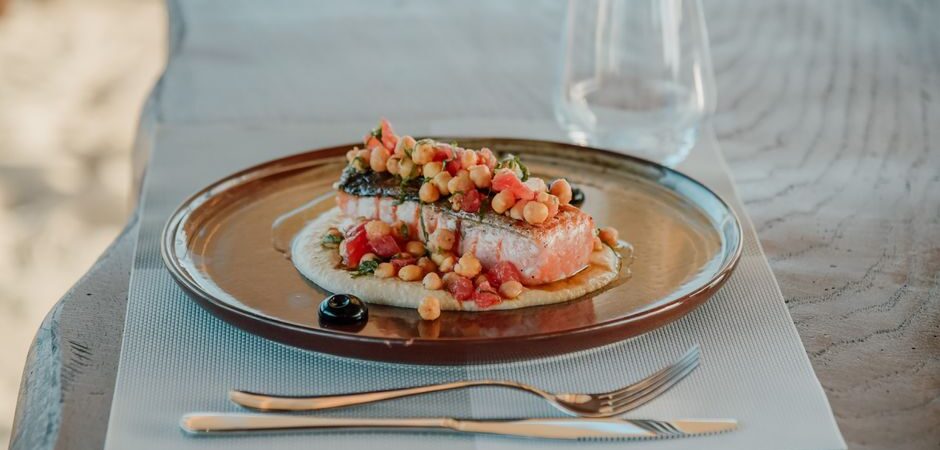
After gastric bypass, you move through clear and full liquids for the first week, pureed foods for two to four weeks, soft foods for another two weeks, then gradually back to regular textures from around week six onward. Protein takes priority at every stage, and sugar and fried foods are generally avoided long-term to prevent discomfort. Dr. Sami Salem Ahmad and his team confirm exactly when you’re ready to move between stages, rather than working from a fixed calendar alone.
Right after the relief of deciding to have gastric bypass surgery, a much more immediate question tends to surface: what am I actually going to eat next week? Not months from now, but the very practical version, standing in your kitchen, unsure what’s safe to put in your body.
This article walks through exactly what you eat at each stage after gastric bypass, in plain terms. Dr. Sami Salem Ahmad and the team at Dr Sami Clinic have guided patients through this exact progression for over 31 years, and knowing what’s ahead in advance makes each stage far less confusing.
The Diet Stages After Gastric Bypass, In Order
Recovery moves through four main diet stages: liquids, purees, soft foods, and finally regular textures, typically over six to eight weeks total. Each stage exists to let your rerouted digestive system heal without being overwhelmed.
Moving through the stages a little faster or slower than the general guideline is normal and depends on how your body is healing. Your surgical team confirms readiness at each step rather than working from a fixed date alone.
Stage 1: Clear and Full Liquids (Week 1)
The first week is entirely liquid: water, clear broth, sugar-free gelatin, and protein shakes once your surgeon confirms you’re ready. Protein becomes the priority from day one, since your body needs it to heal and to protect muscle during rapid weight loss.
Sipping slowly, not gulping, matters more than what exactly you’re drinking at this stage. A freshly rerouted digestive system needs gentleness above all else.
Stage 2: Pureed Foods (Weeks 2–4)
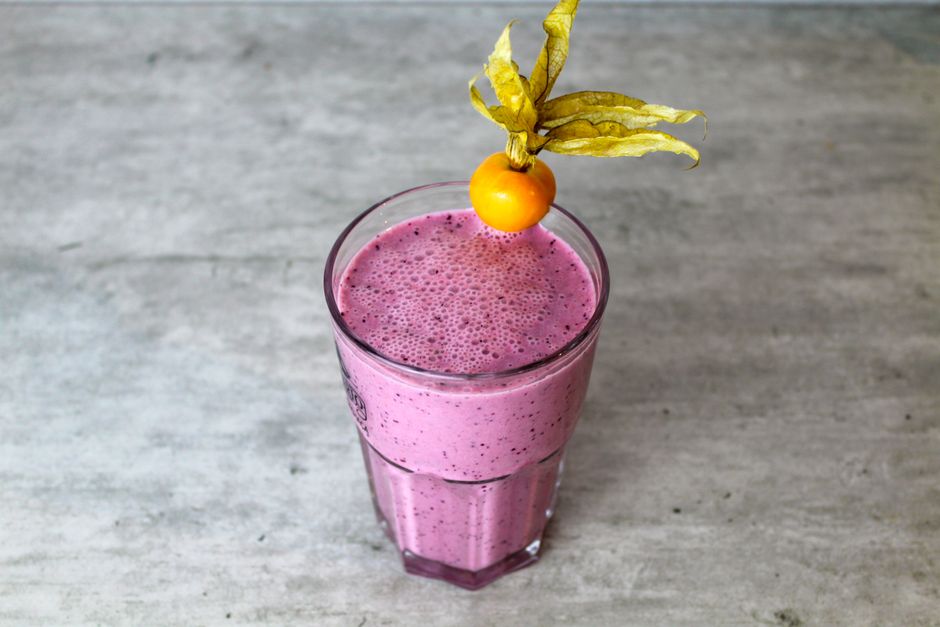
Pureed foods, blended soups, mashed eggs, smooth cottage cheese, and pureed lean meat, are introduced once your surgeon confirms readiness, usually around the second week. Everything needs to be smooth enough to eat with a spoon and swallow without chewing.
This stage often feels the most restrictive, since it lasts a couple of weeks and rules out most familiar foods. A blender becomes a genuinely essential kitchen tool during this period.
| Stage | Timeframe | Examples | Avoid |
|---|---|---|---|
| Liquids | Week 1 | Broth, protein shakes | Anything solid or thick |
| Pureed | Weeks 2–4 | Blended meat, mashed eggs | Bread, rice, raw vegetables |
| Soft foods | Weeks 4–6 | Flaked fish, soft vegetables | Tough or fibrous meat |
| Regular textures | Week 6+ | Most whole foods, gradually | Sugar, fried food, long-term |
Stage 3: Soft Foods (Weeks 4–6)
Soft foods reintroduce gentle chewing: flaked fish, scrambled eggs, soft-cooked vegetables, and ground lean meat, still eaten in small portions and slowly. Meal planning starts to matter again here, since food needs to stay soft but protein-focused.
Sugary and fatty foods are worth avoiding carefully at this stage in particular, since dumping syndrome, an uncomfortable but not dangerous reaction, becomes more likely once digestion speeds back up.
Stage 4: Regular Textures and Long-Term Eating Habits
From around week six, most patients gradually reintroduce regular textures, testing new foods one at a time. Meals from this point look much closer to normal, just smaller, slower, and more protein-focused than before surgery.
The habits built during these first six weeks tend to stick. Patients who eat slowly, prioritise protein, and separate drinking from eating in this window generally find it stays automatic long after recovery ends.
Foods to Avoid Long-Term and Why
Sugary foods, fried foods, and carbonated drinks are generally avoided permanently after gastric bypass, not just during recovery. These foods are the most common triggers for dumping syndrome and can cause real discomfort well beyond the initial healing period.
This isn’t about deprivation forever. Most patients find that avoiding these foods becomes easier over time, partly because the body’s own reaction to them acts as a strong deterrent.
Every patient moves through these stages a little differently, and Dr. Sami Salem Ahmad reviews your individual progress at each follow-up rather than working from a printed sheet. If you want a diet plan built around your own recovery, get in touch through drsami-clinic.com.
Frequently Asked Questions
What happens if I eat something too advanced too early?
Eating something ahead of your current stage usually causes discomfort, nausea, or vomiting rather than lasting harm, and it typically resolves once the food passes. It’s still worth mentioning at your next follow-up so your team can check your progress. Most patients make this mistake once and quickly learn to wait for the next stage.
How long until I can eat normal food again?
Most patients begin reintroducing regular textures around week six, though “normal” now means smaller portions eaten slowly, not the volume you were used to before. Full reintroduction of most foods typically happens gradually over the following weeks. Dr. Sami Salem Ahmad confirms readiness for each new stage individually.
Will I need to take vitamins forever after gastric bypass?
Yes, lifelong vitamin and mineral supplementation is standard after gastric bypass, since the rerouted intestine affects how much nutrition you absorb from food. This typically includes a multivitamin, iron, calcium, and vitamin B12, with exact needs confirmed through regular blood work at Dr Sami Clinic.
Can I ever eat sugar again without getting sick?
Many patients find sugar triggers dumping syndrome, an uncomfortable reaction involving nausea, cramping, and a rapid heartbeat, which is why it’s generally avoided long-term rather than just during recovery. Some patients develop more tolerance over time, but it varies significantly from person to person.
What if certain foods make me feel sick even months later?
Food intolerances after gastric bypass are common and can be permanent for some foods, even ones you tolerated well before surgery. This is a genuine physical response to the anatomical change, not something to push through. Identifying and avoiding trigger foods, with guidance from your care team, is usually the most effective approach.
Do I really have to give up fried food completely?
Most surgical teams, including Dr. Sami Salem Ahmad’s, recommend avoiding fried and very fatty foods permanently, since they’re a common trigger for dumping syndrome and work against long-term weight loss goals. It’s one of the more consistently recommended long-term restrictions in bariatric care.
How is the gastric bypass diet different from the gastric sleeve diet?
The stages are broadly similar, liquids, purees, soft foods, then regular textures, but gastric bypass carries a higher risk of dumping syndrome and nutrient deficiencies because of how the intestine is rerouted. This means sugar and fat restrictions tend to be taken even more seriously long-term. Dr Sami Clinic tailors specific guidance to whichever procedure you’ve had.
Dr. Sami Salem Ahmad
FRCS, Dr Sami Clinic
Dr. Sami Salem Ahmad is a consultant surgeon with over 31 years of experience in weight loss and metabolic surgery. He has practiced in Amman and Stuttgart and leads Dr Sami Clinic with a focus on safe, sustainable weight loss and long-term patient health. He holds the FRCS and has helped hundreds of patients reclaim their health through surgical and non-surgical treatment.
The information in this article is for educational purposes only and does not constitute medical advice. It should not be used to self-diagnose or replace a consultation with a qualified surgeon. If you have questions about your health or suitability for surgery, contact a licensed medical professional. For consultations with Dr Sami Salem Ahmad, visit drsami-clinic.com.